Rume: A Rest Stop in the Digisphere
Project Type
Student project
Role
Interaction designer
Tools
Figma, Figjam, Google
Team
Mai Kao, Mackenzie Hart
Mentor: Blake Hudelson
Contribution
User Research
Journey Mapping
Ideation
Visual Identity
Wireframing
Prototyping
Outcome
Mobile app concept
Duration
Semester-long project, 15 weeks
Overview
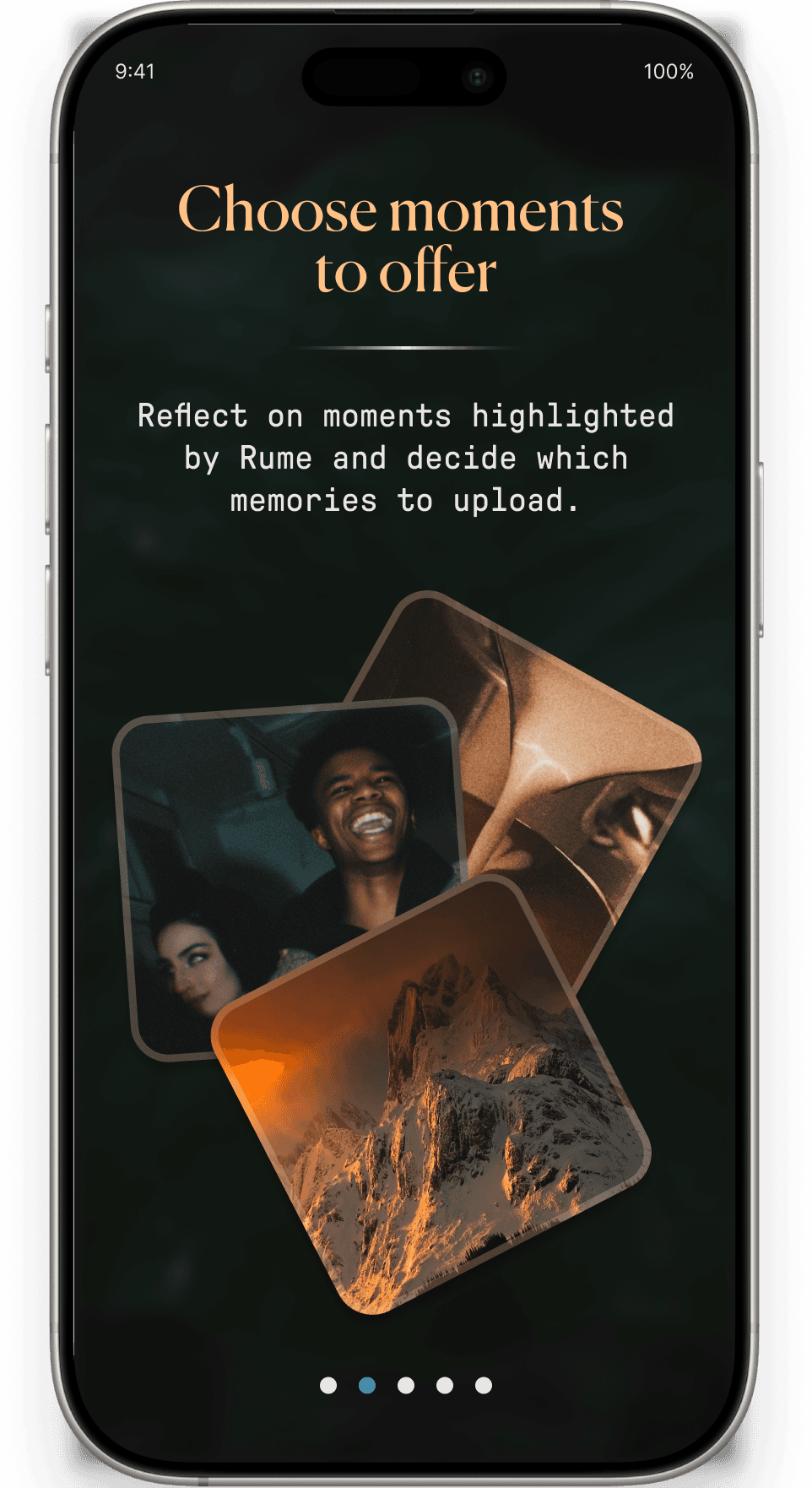
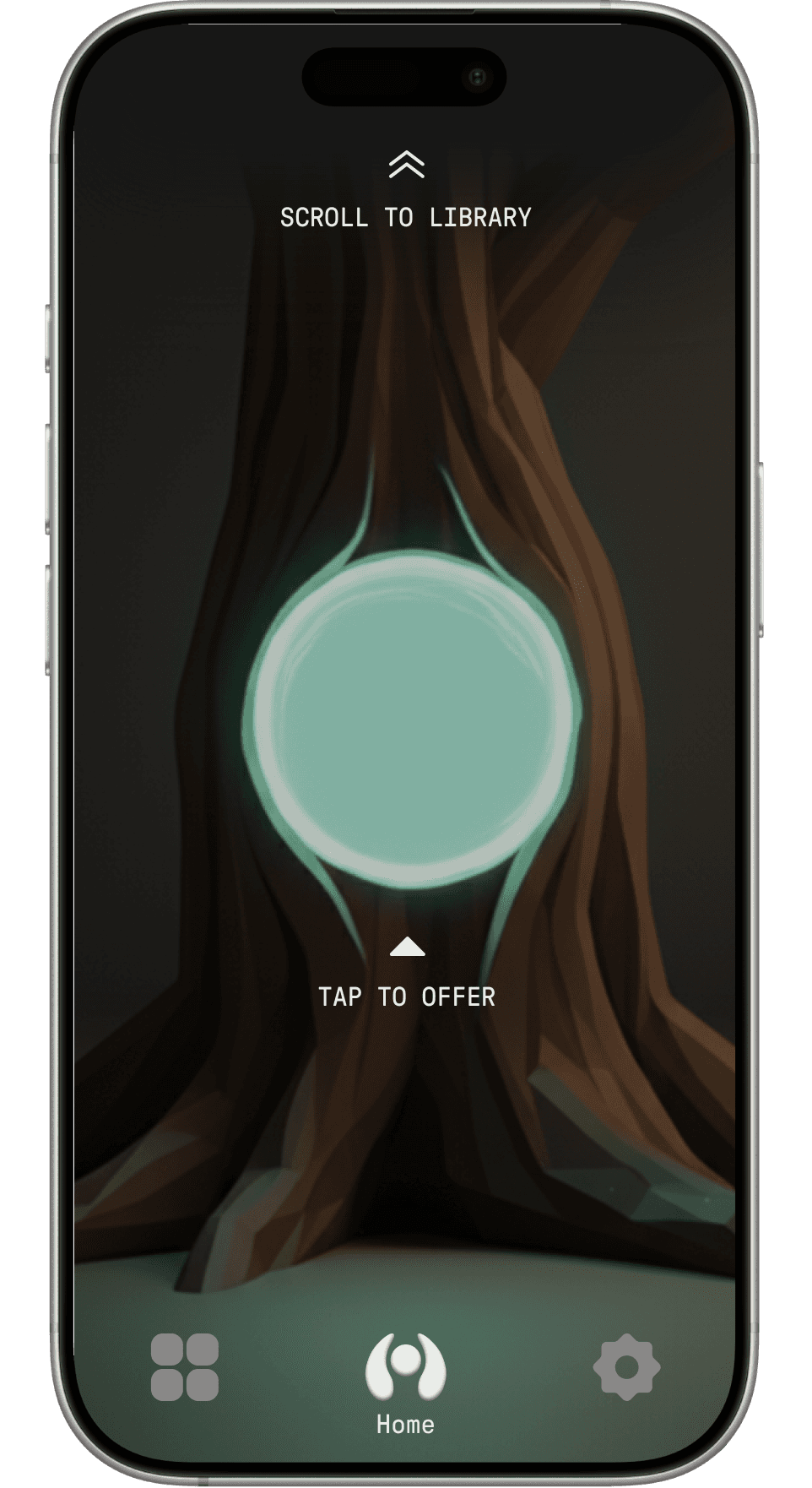
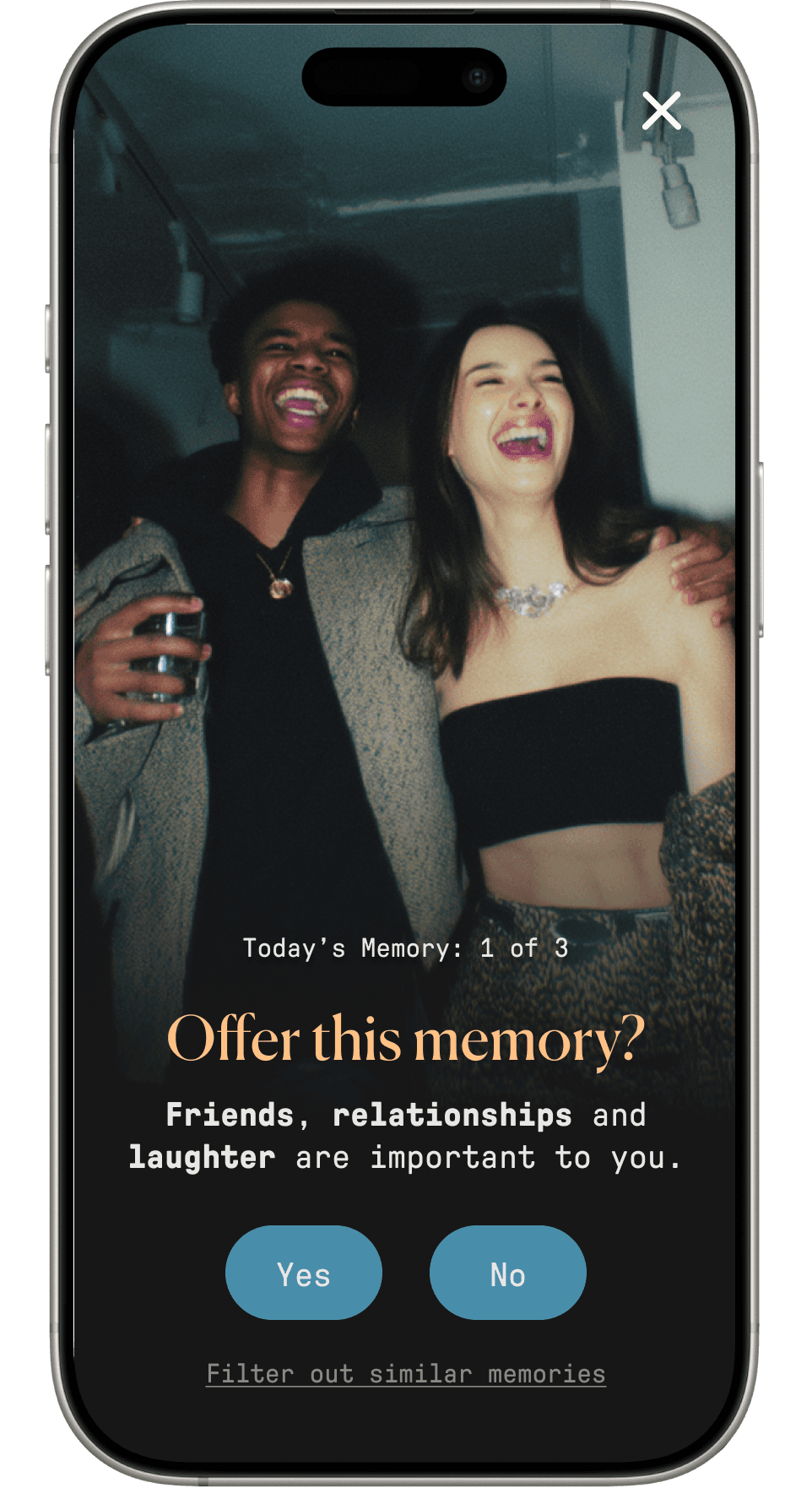
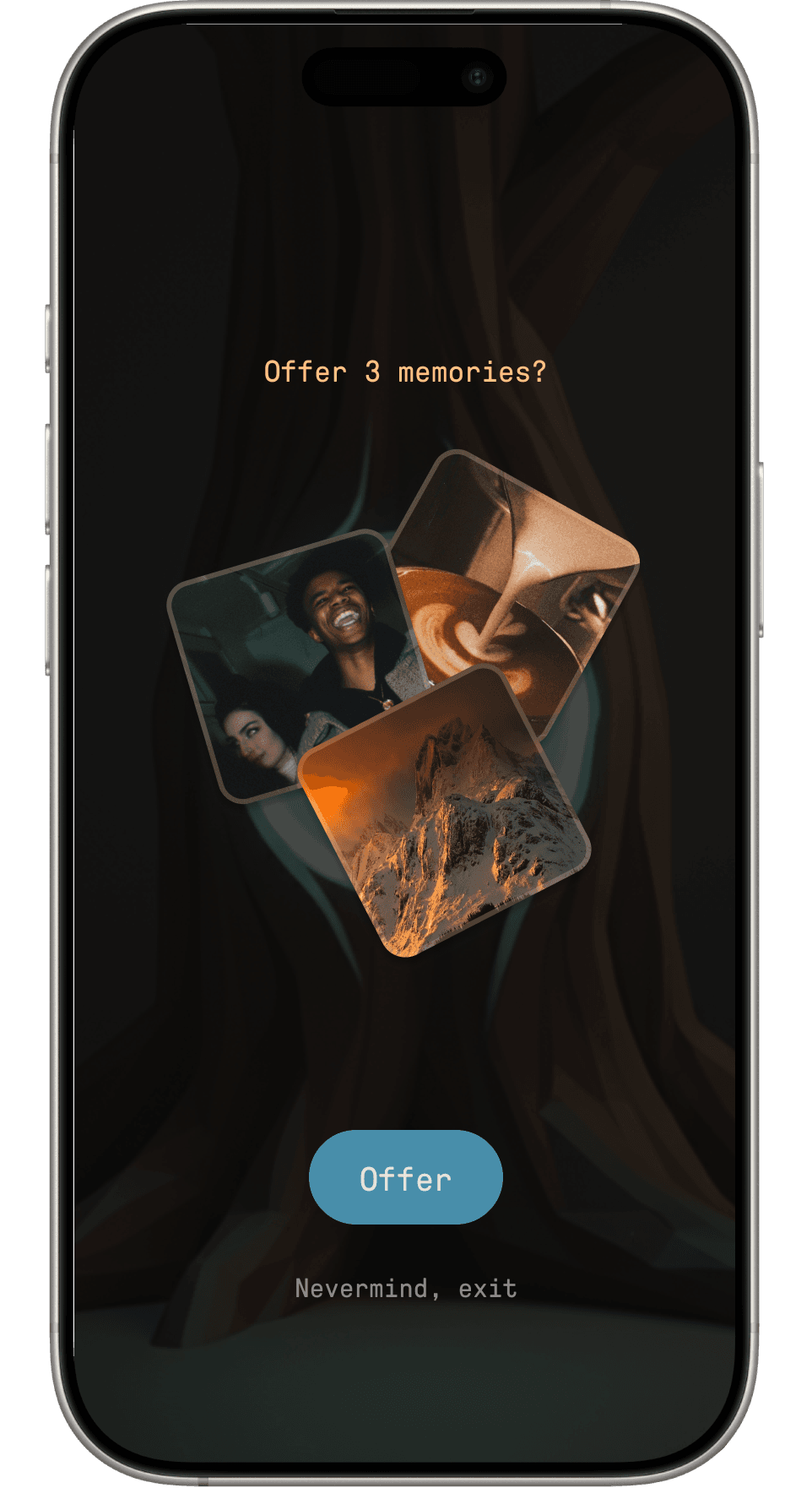
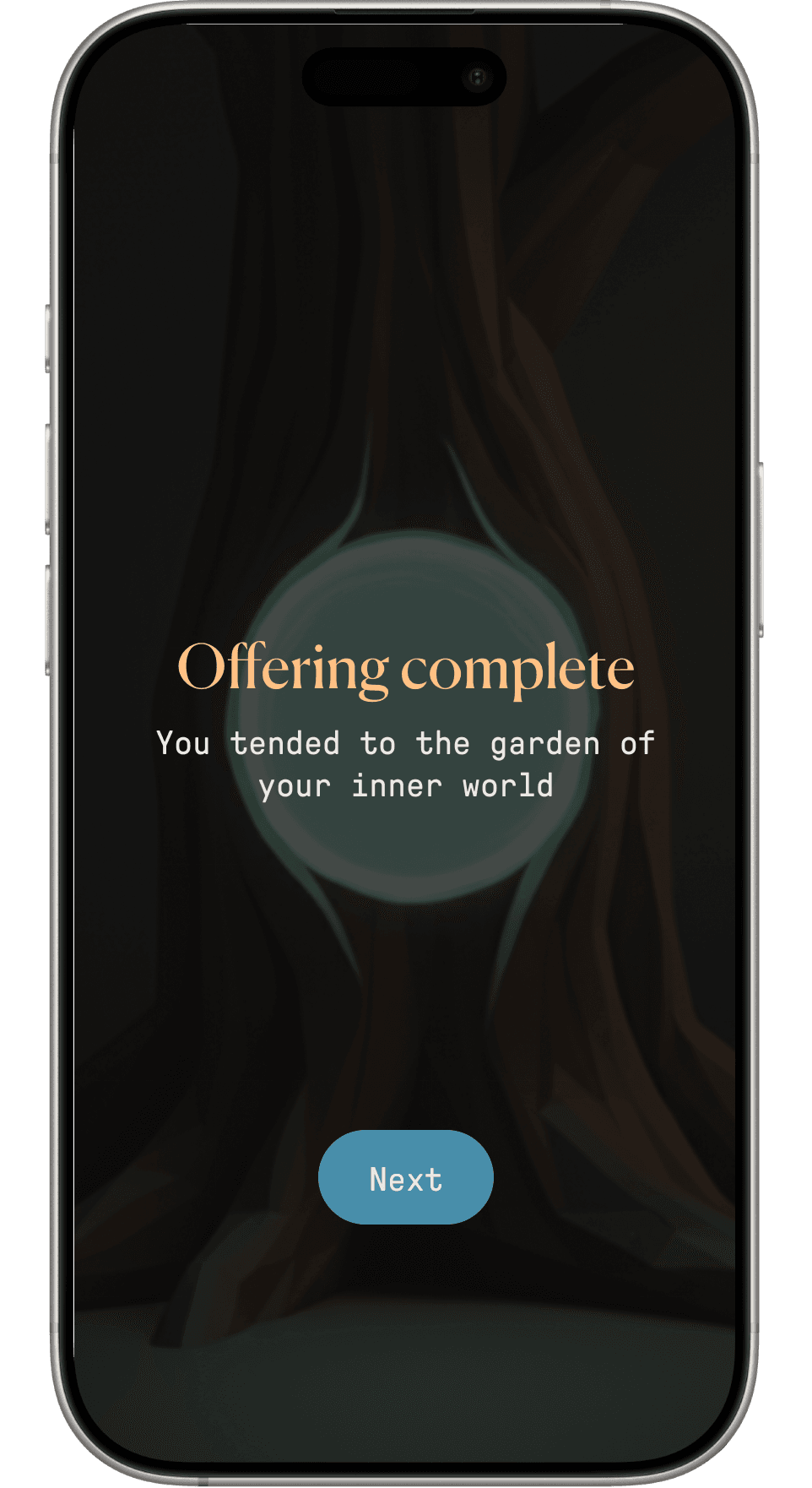
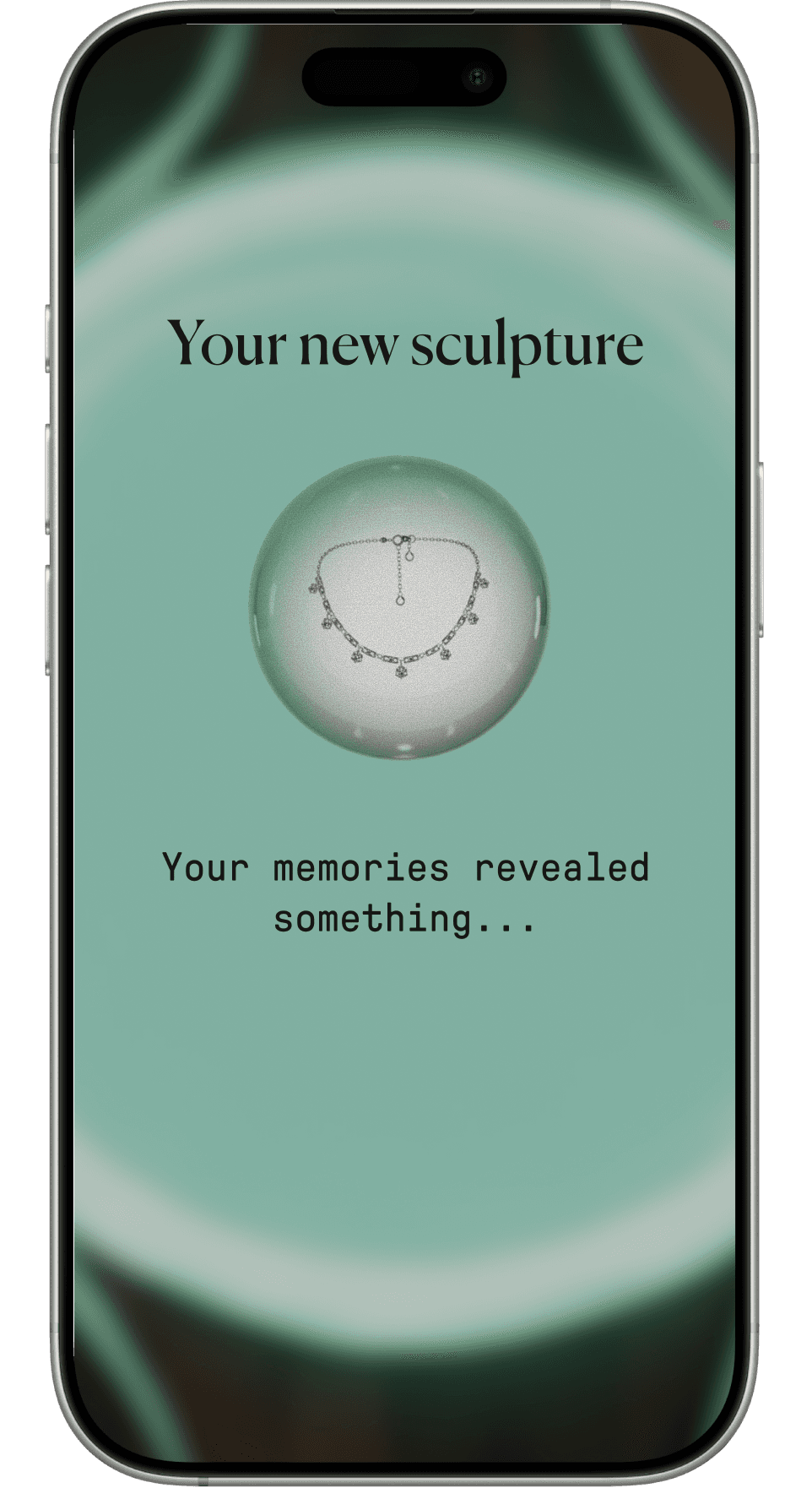
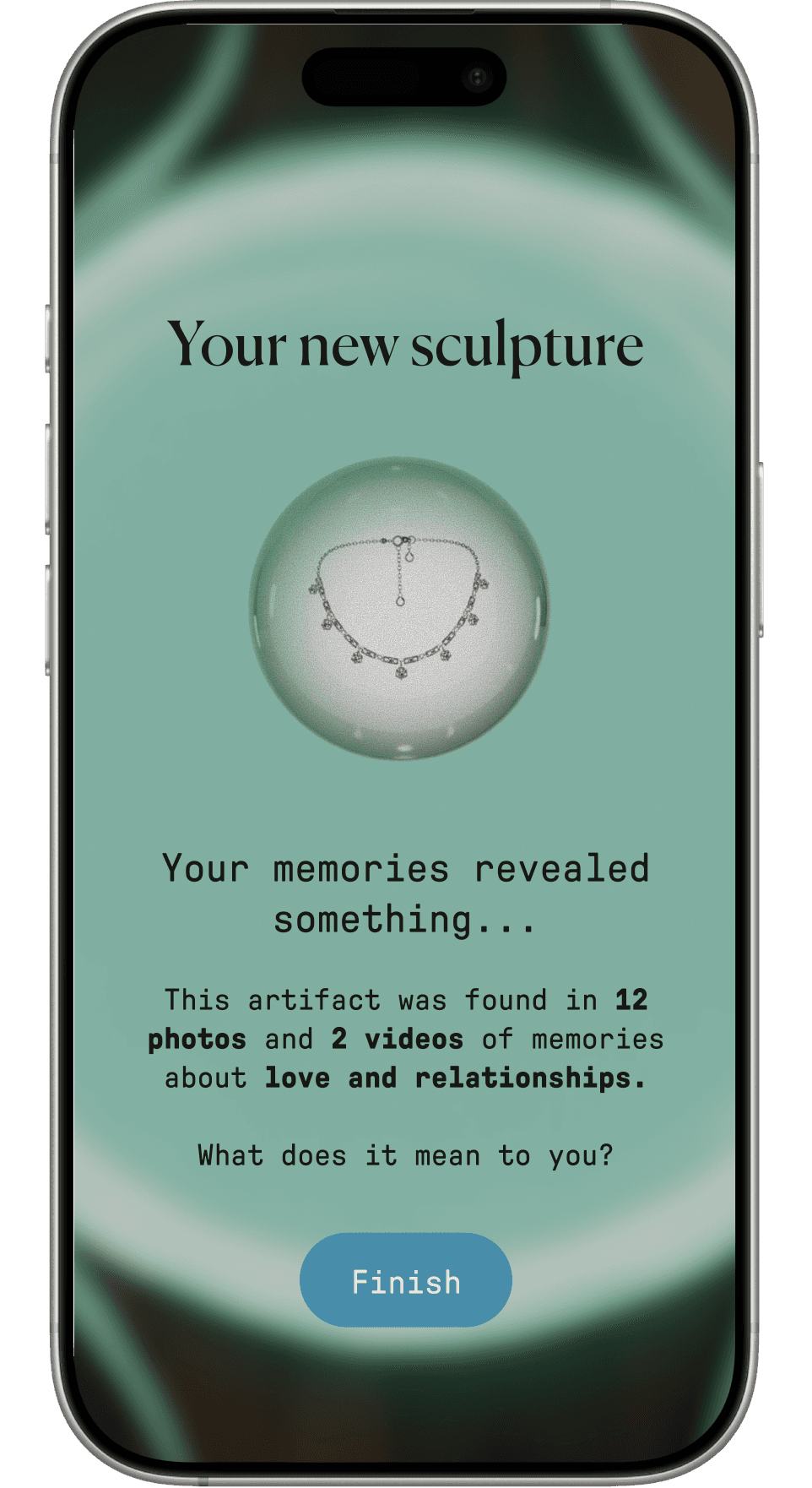
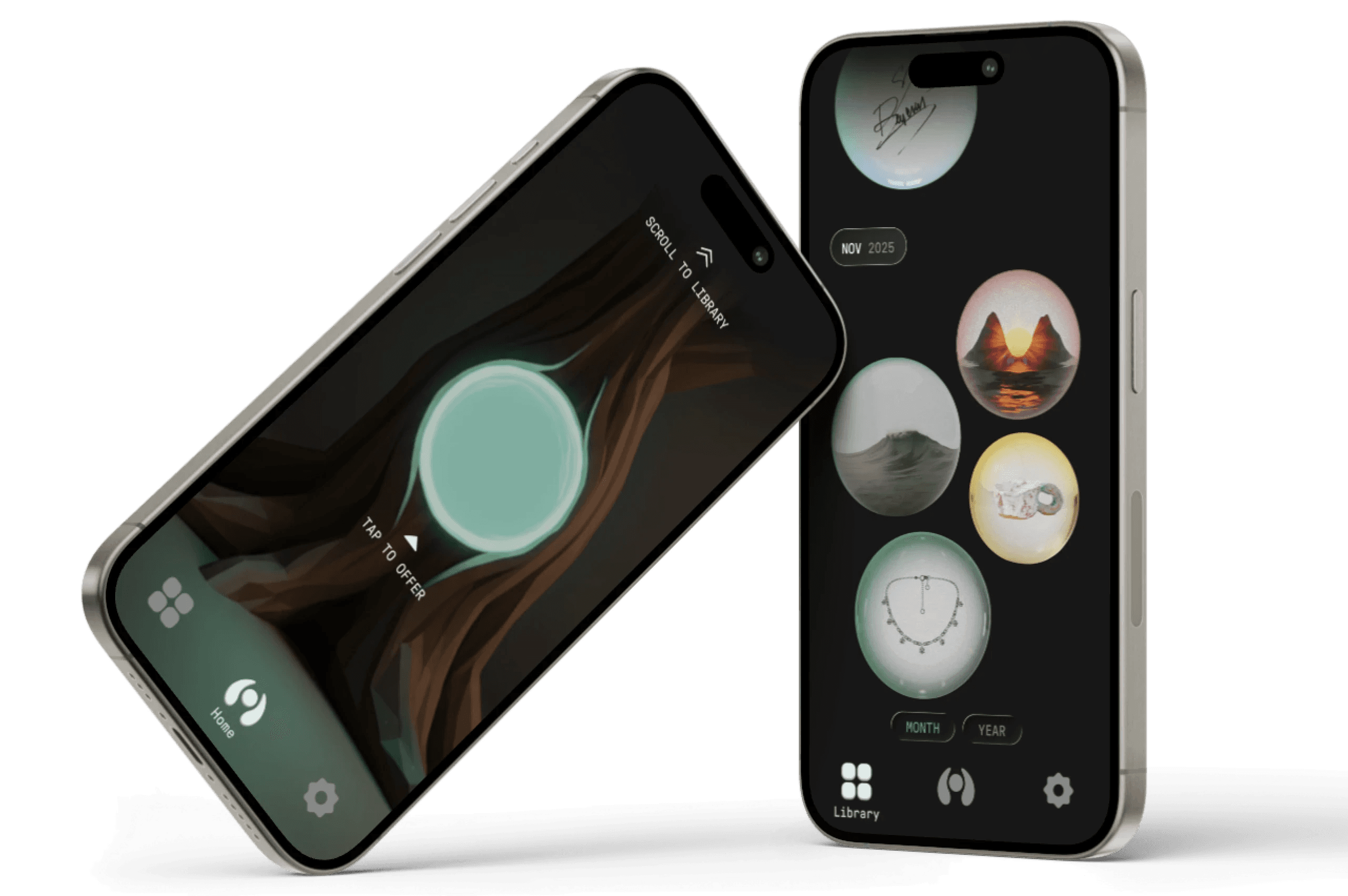
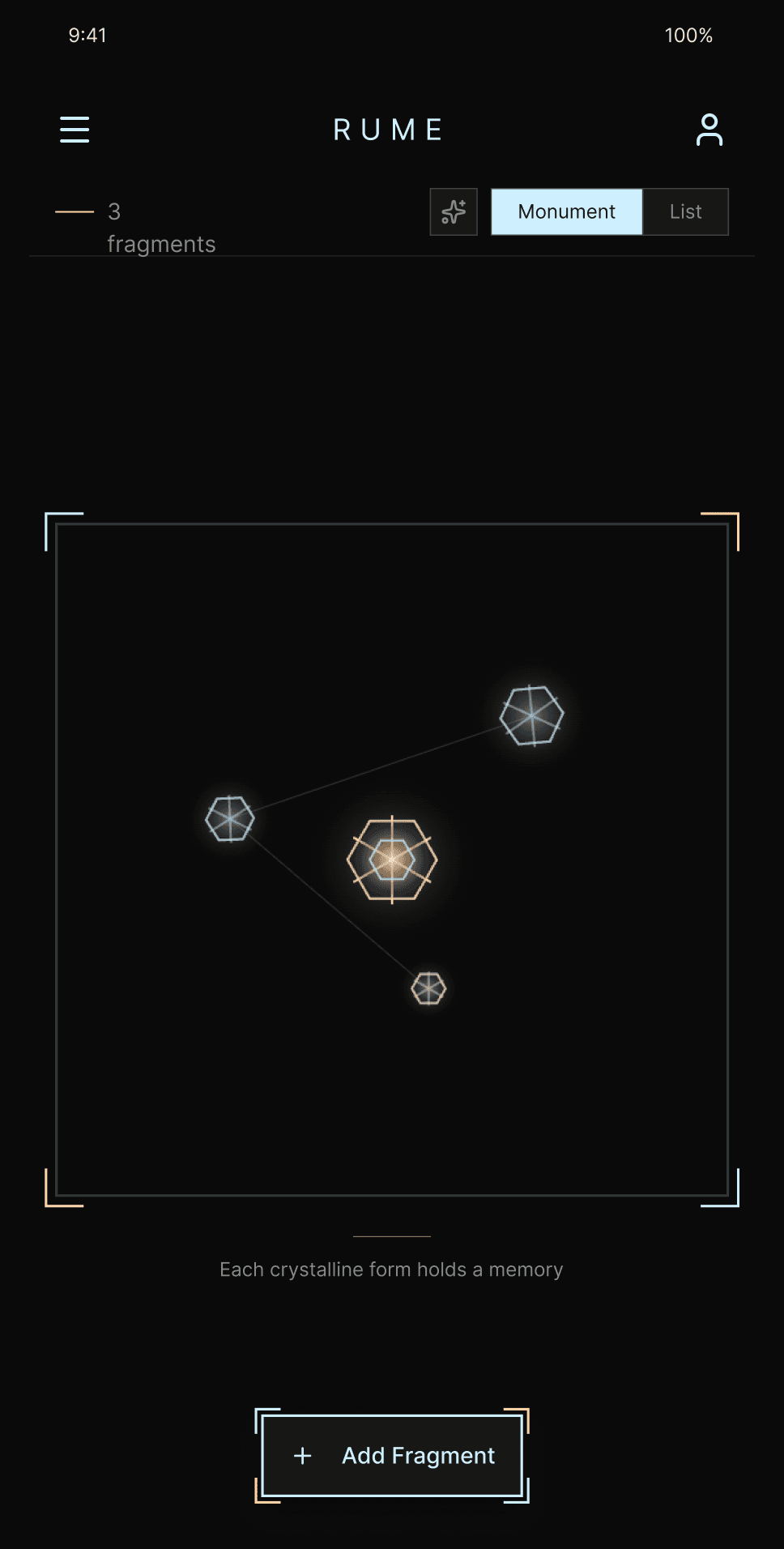
Rume is a memory collection app concept to encourage reflection through objects. We invite users to sift through recommended memories (photos, videos) and preserve them within Rume.
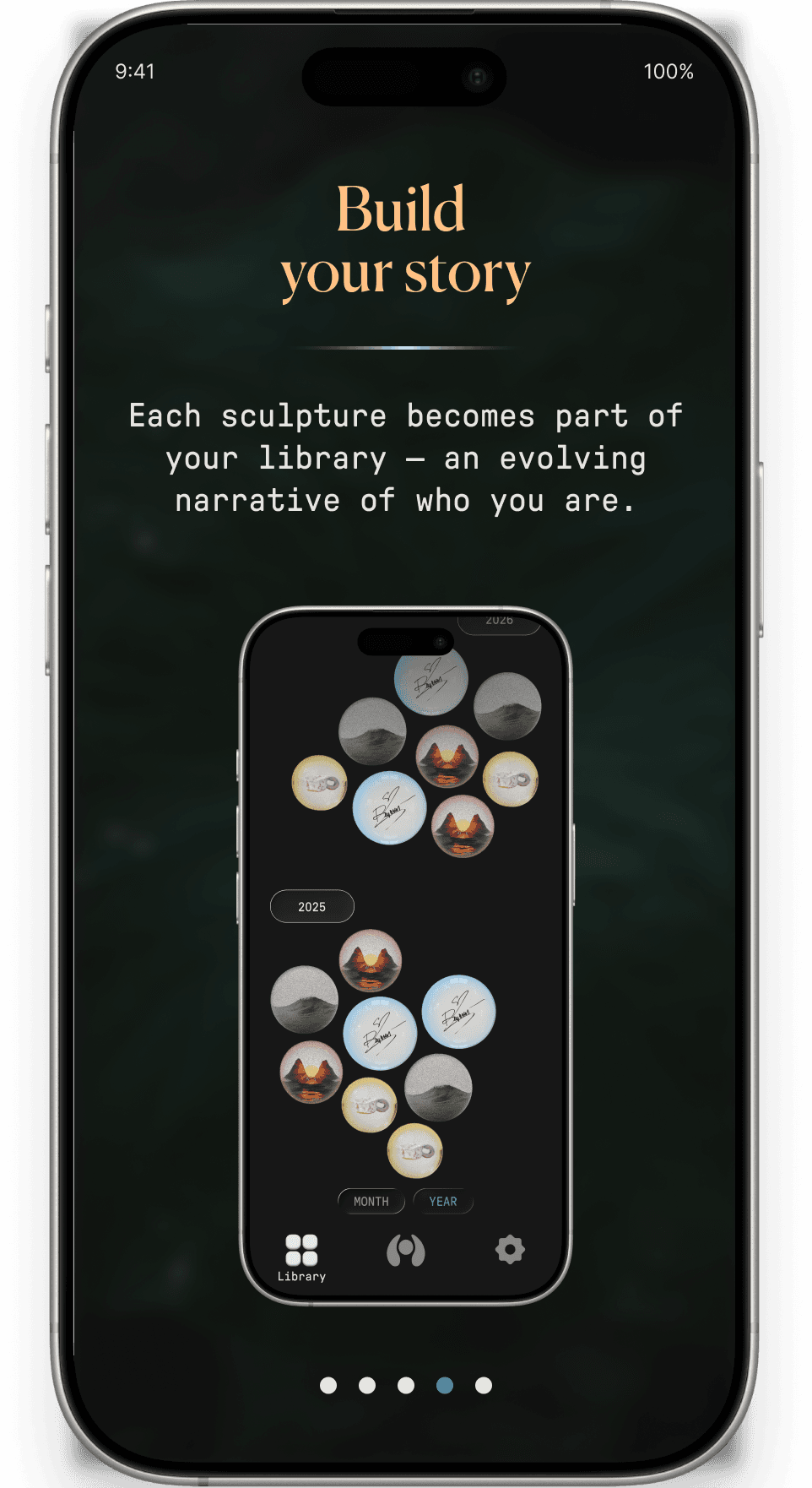
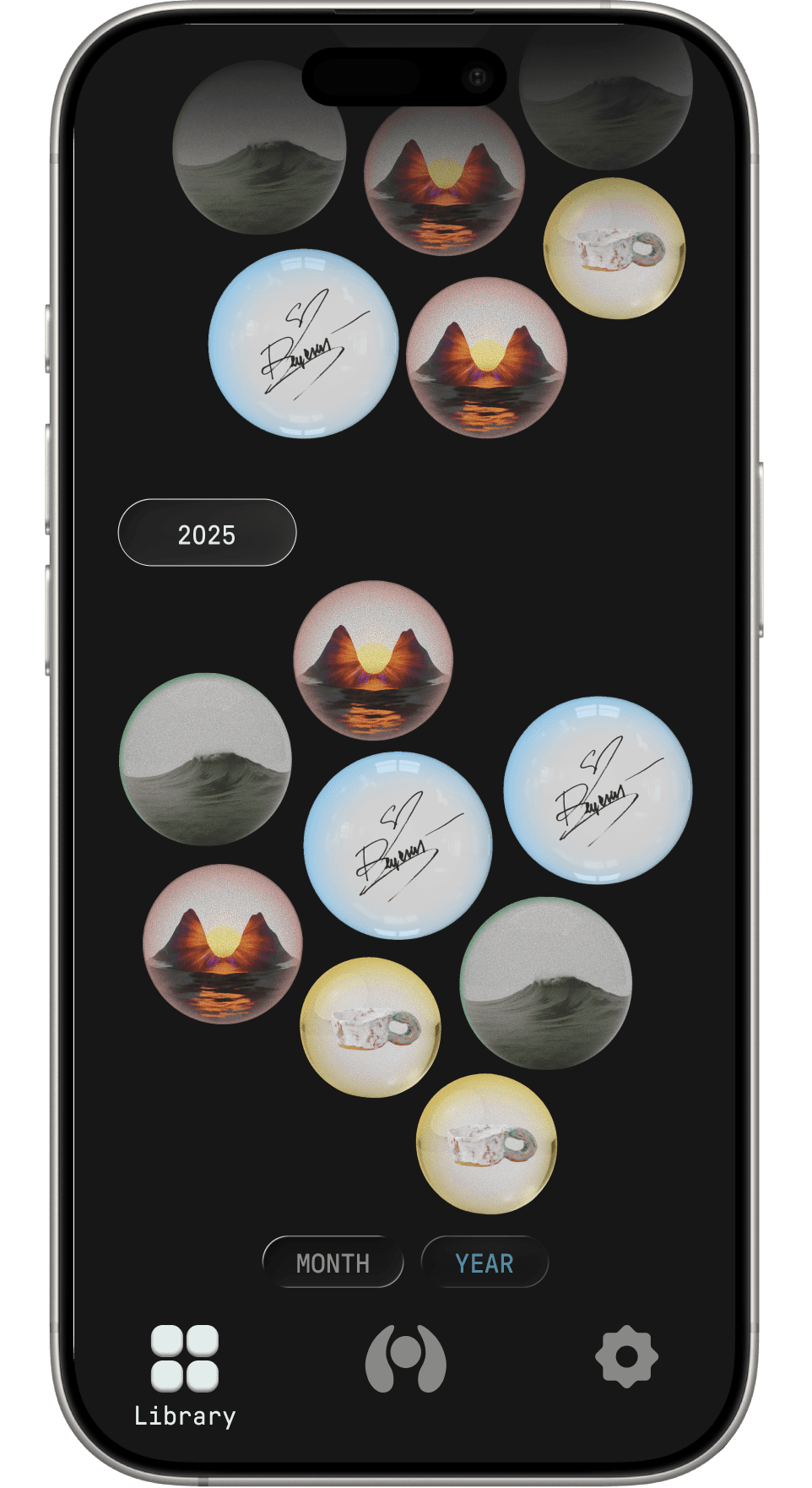
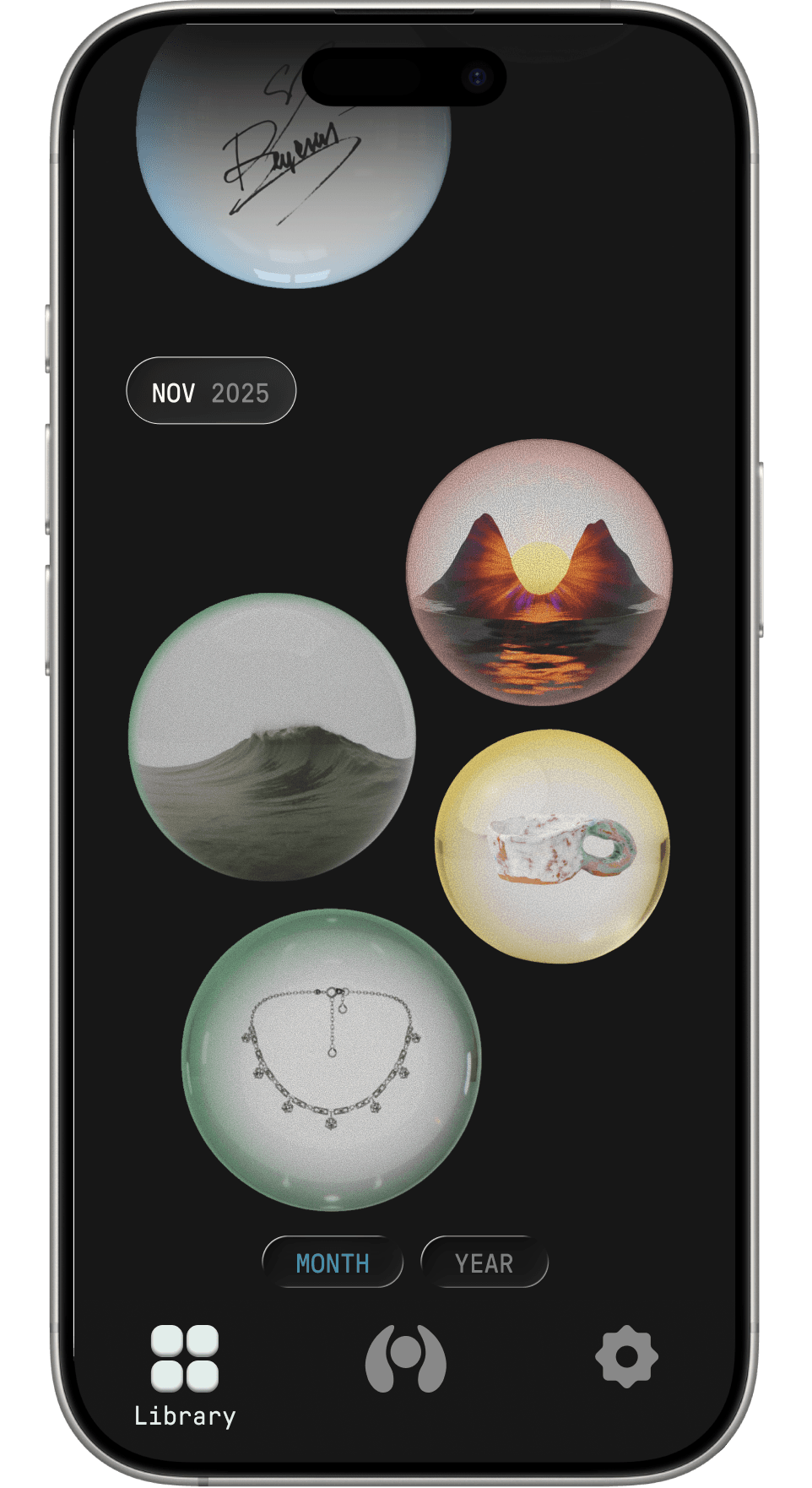
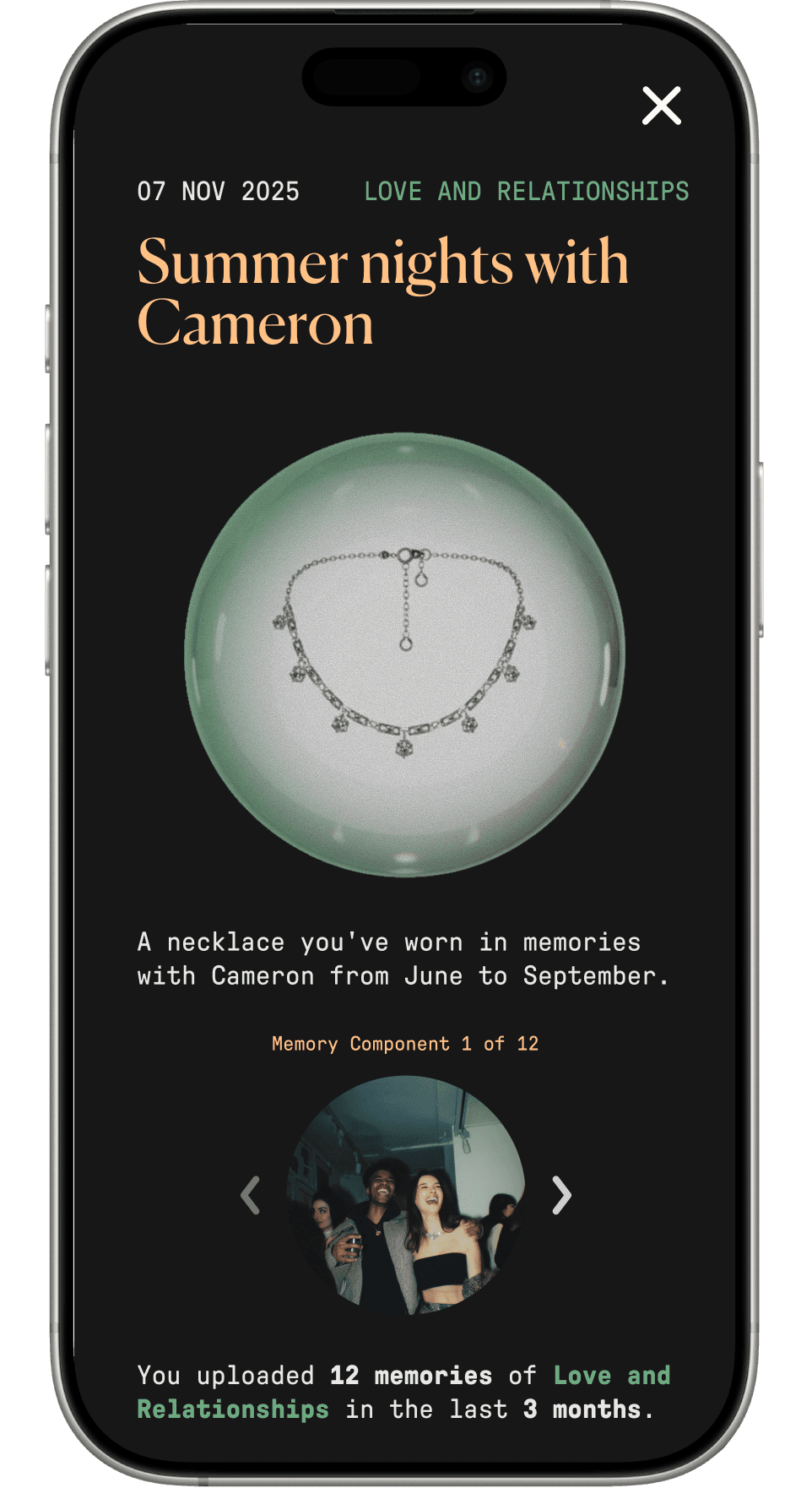
Over time, Rume uses object recognition AI to extract important objects from memories and preserve them in a gallery for reflection.
Background
“A wealth of information creates a poverty of attention.” – Herbert Simon
In a digital-first world, cognitive overload from the data that surrounds us is a recipe for stress and disconnection. With little time to reflect and pause, it's hard to reflect on the memories within our digital artifacts: photos, videos, and notes.
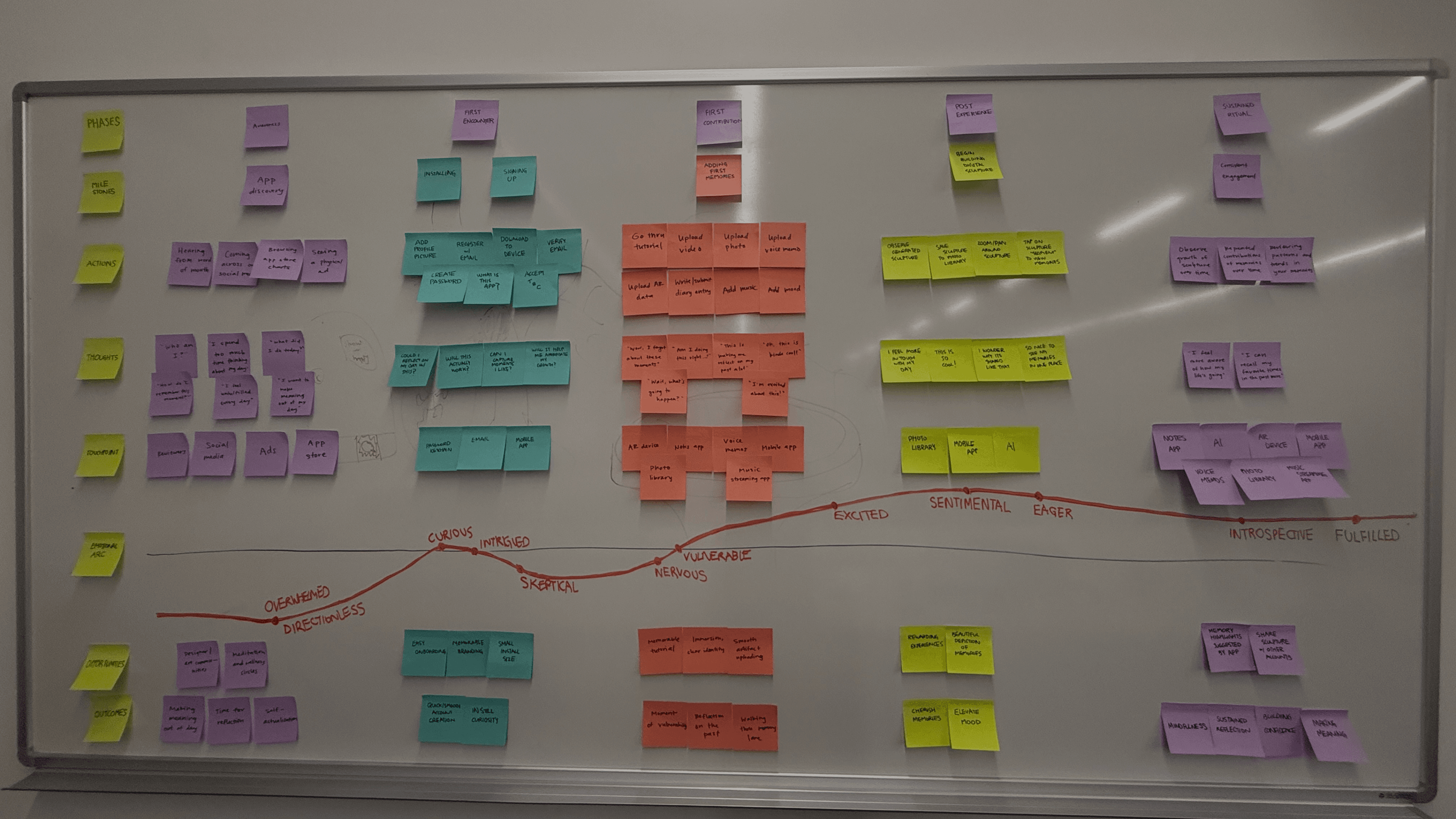
Journey mapping we did based on interviews on stress, digital overload, and reflecting
Insights from People
We interviewed a few people around us to understand their journeys with stress from digital overload, and how people reflect on their day in the time that they have.
How do people feel about digital overload?
Our interviewees all felt exhausted by dealing with stress, and more specifically stress from handling digital information.
“I have different pinned pages in my notes app where I sketch for fun"
How do people try to reflect?
Drawings, photos, playlists: people's reflections are rooted in concrete artifacts of their past
Reflection is a key to being present. And to better reflect, we can turn to physical objects.
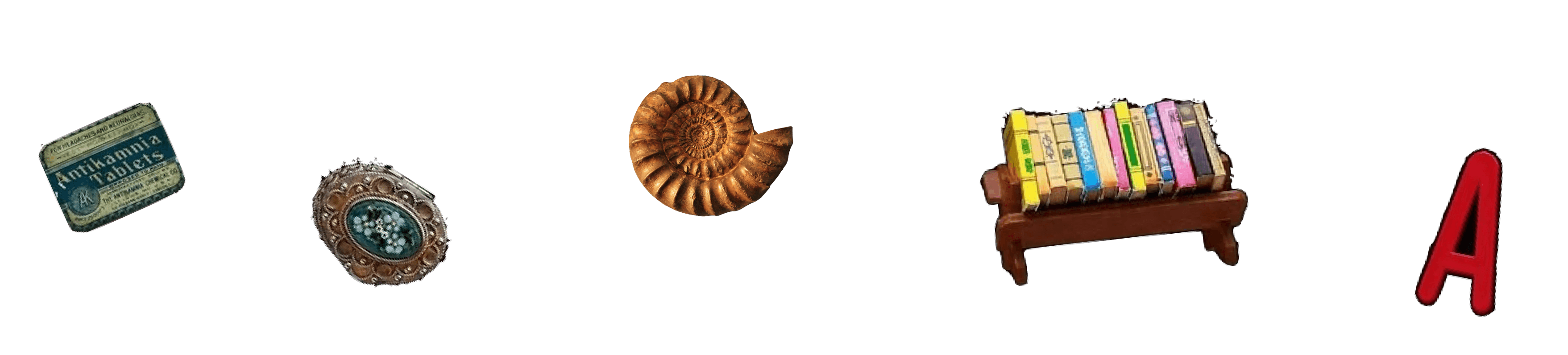
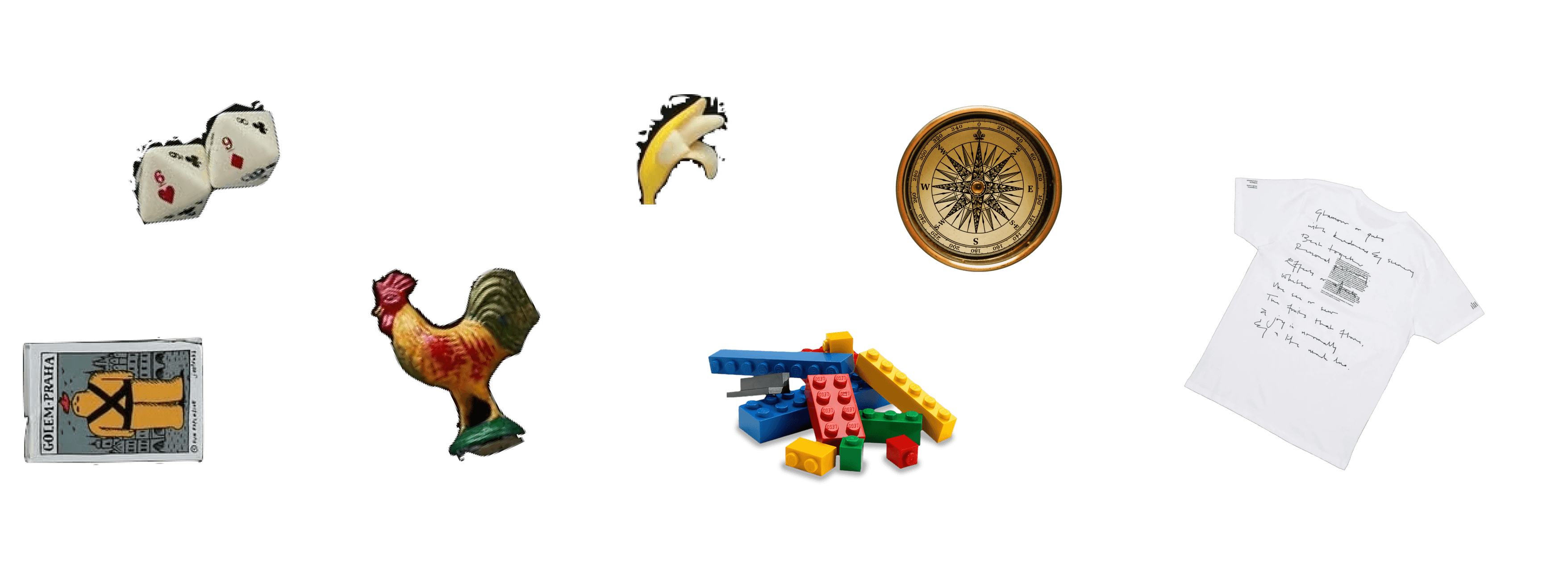
“When people choose among the objects in their everyday life, the dominant characteristic of the objects on which they place the greatest value is the capacity to evoke memories.”
Job Stories & Wireframes

Early sketching of what Rume could look like.
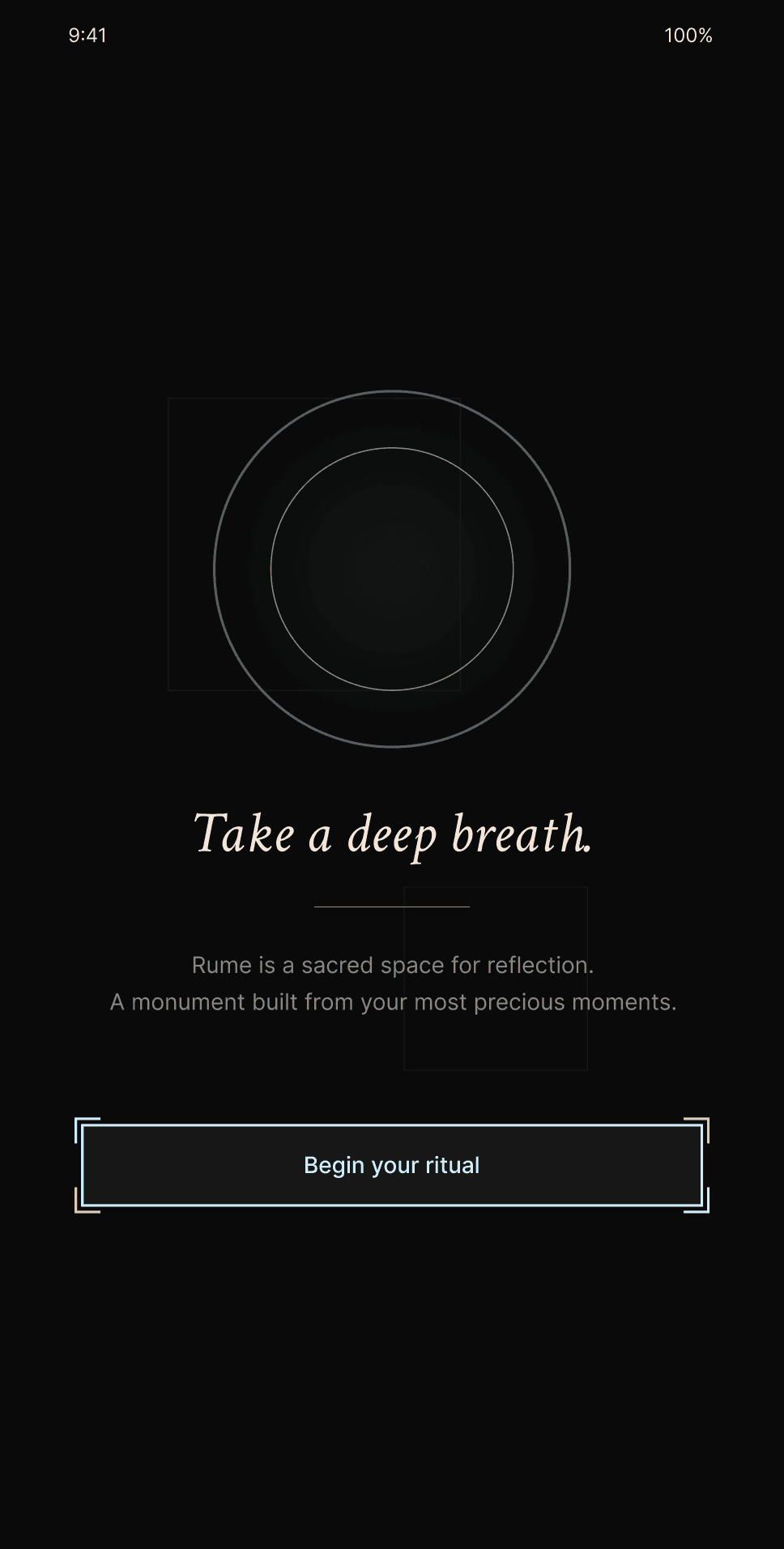
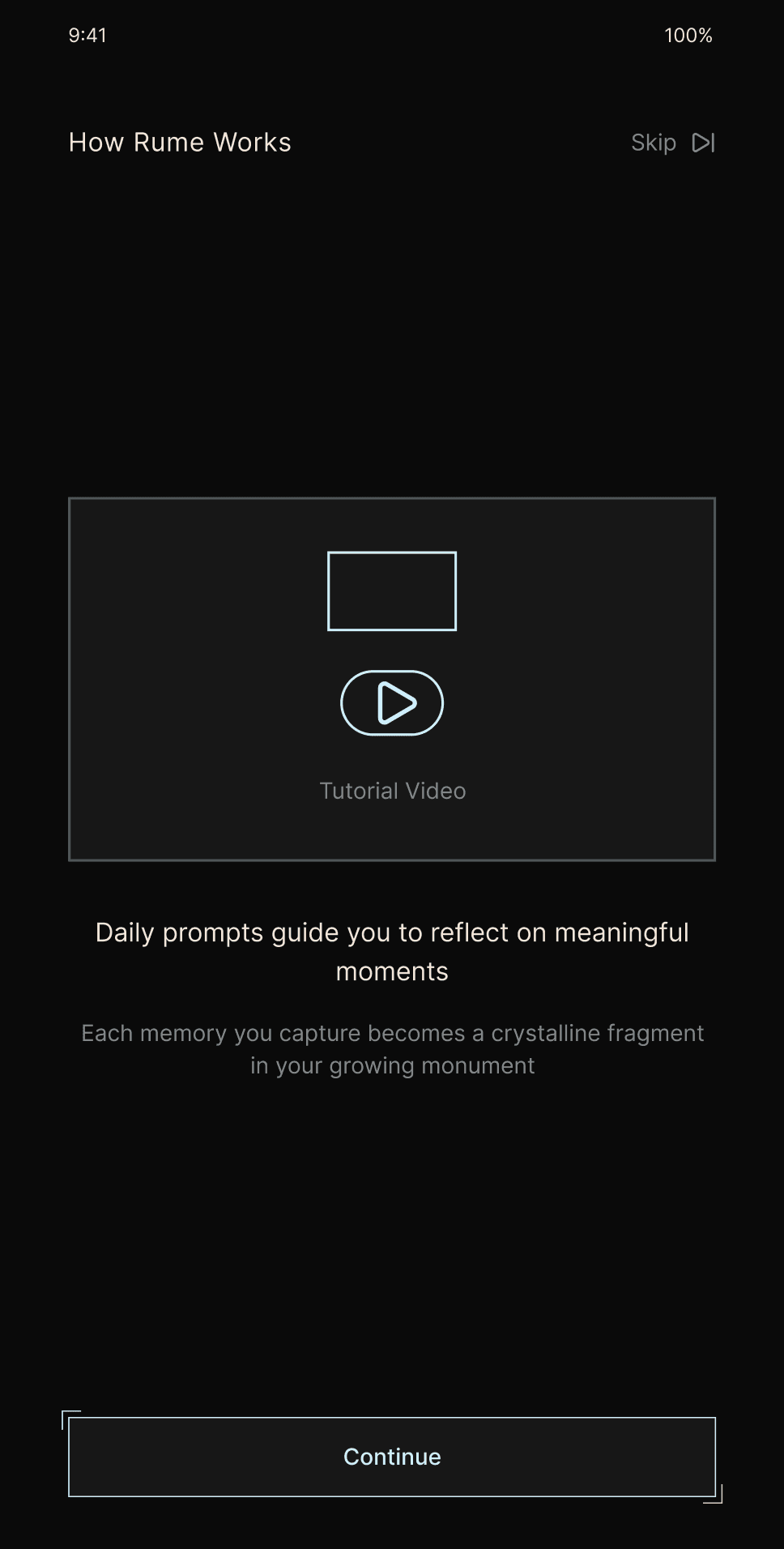
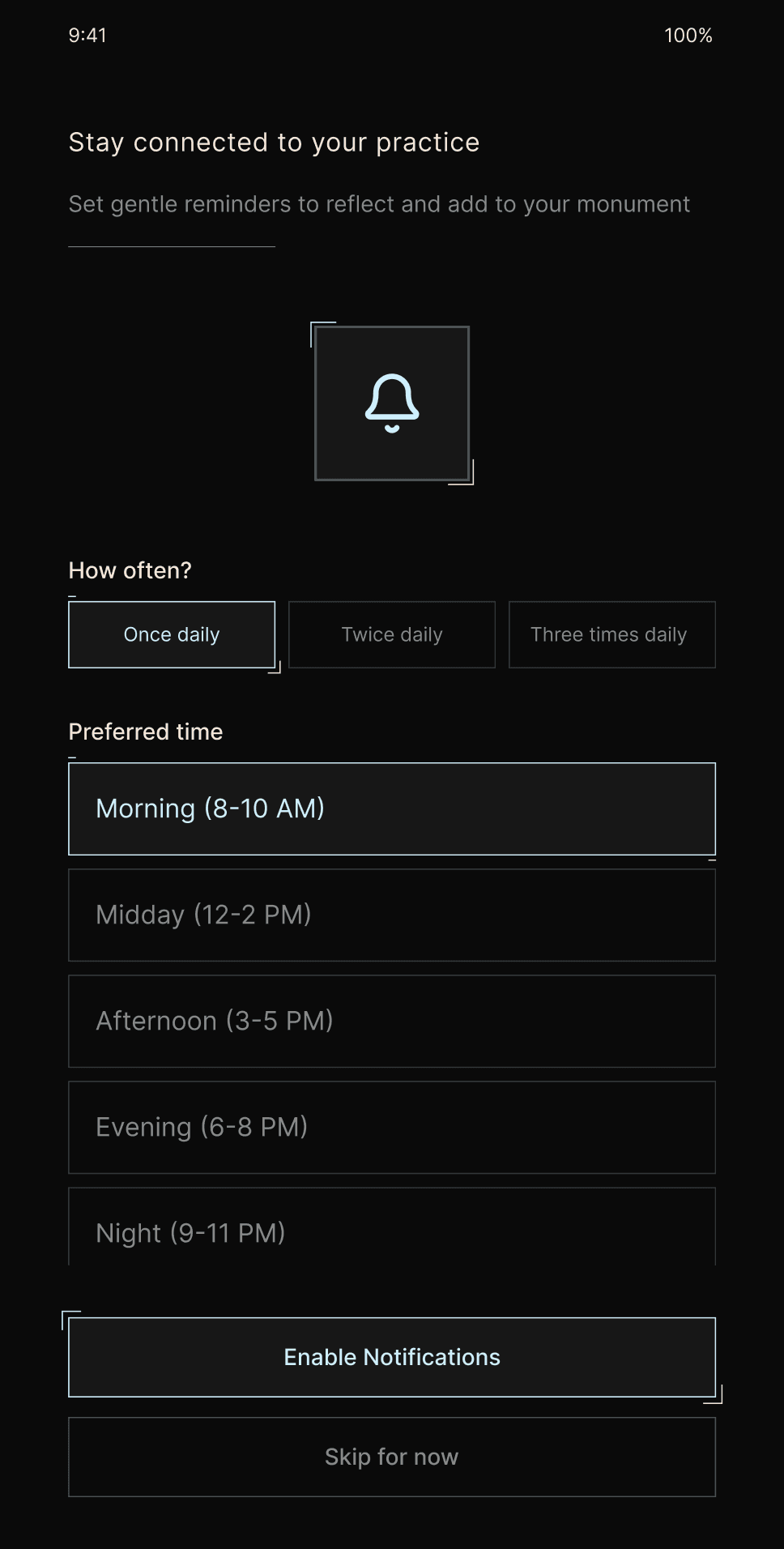
User Job: Onboarding
When I want to reflect with Rume, I want a delightful and understandable way to reflect on objects from my past memories.
User Job: Uploading Memories
When I'm ready to add memories to Rume, I want to quickly add photo/video recommendations that Rume provides
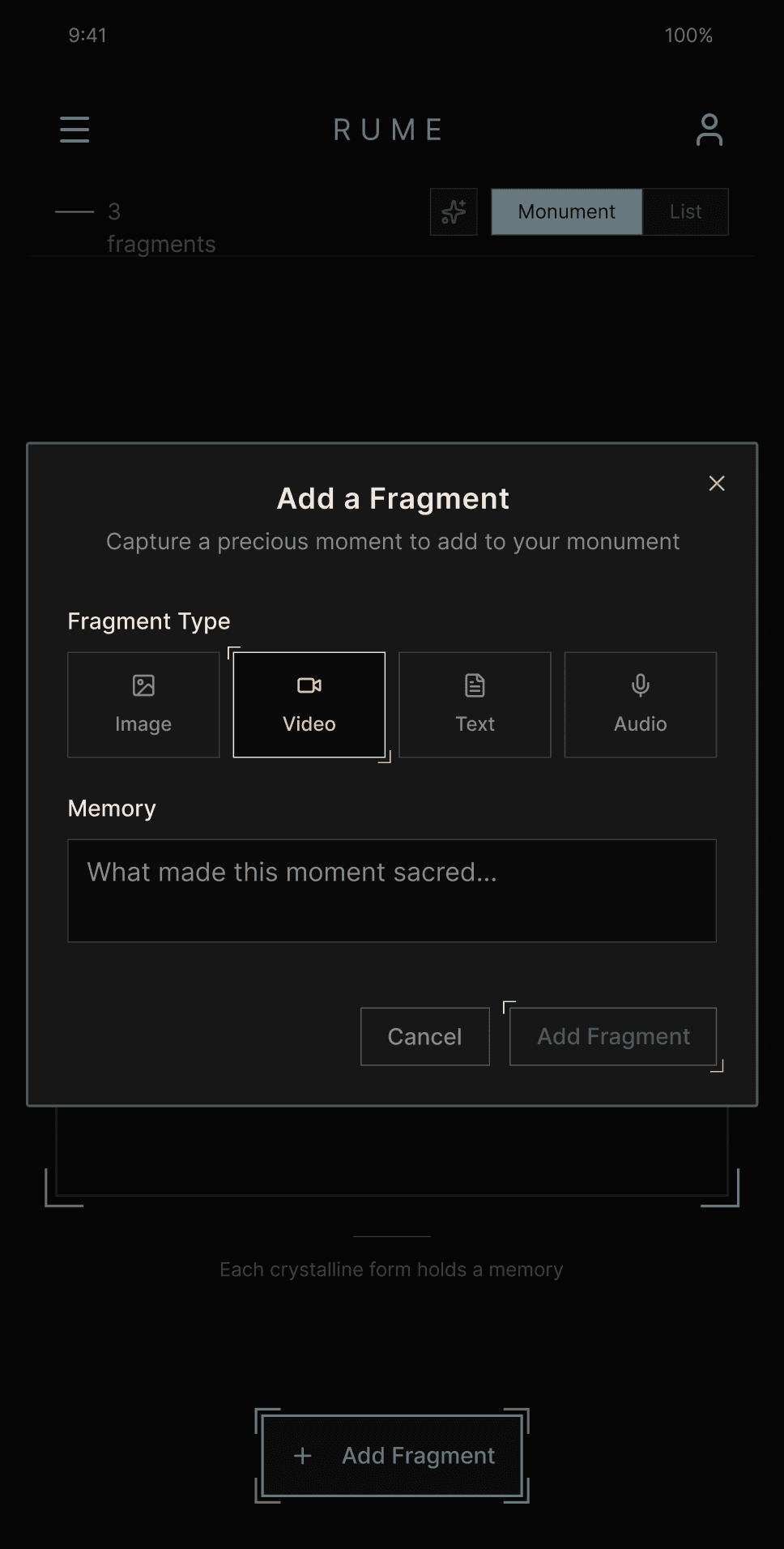
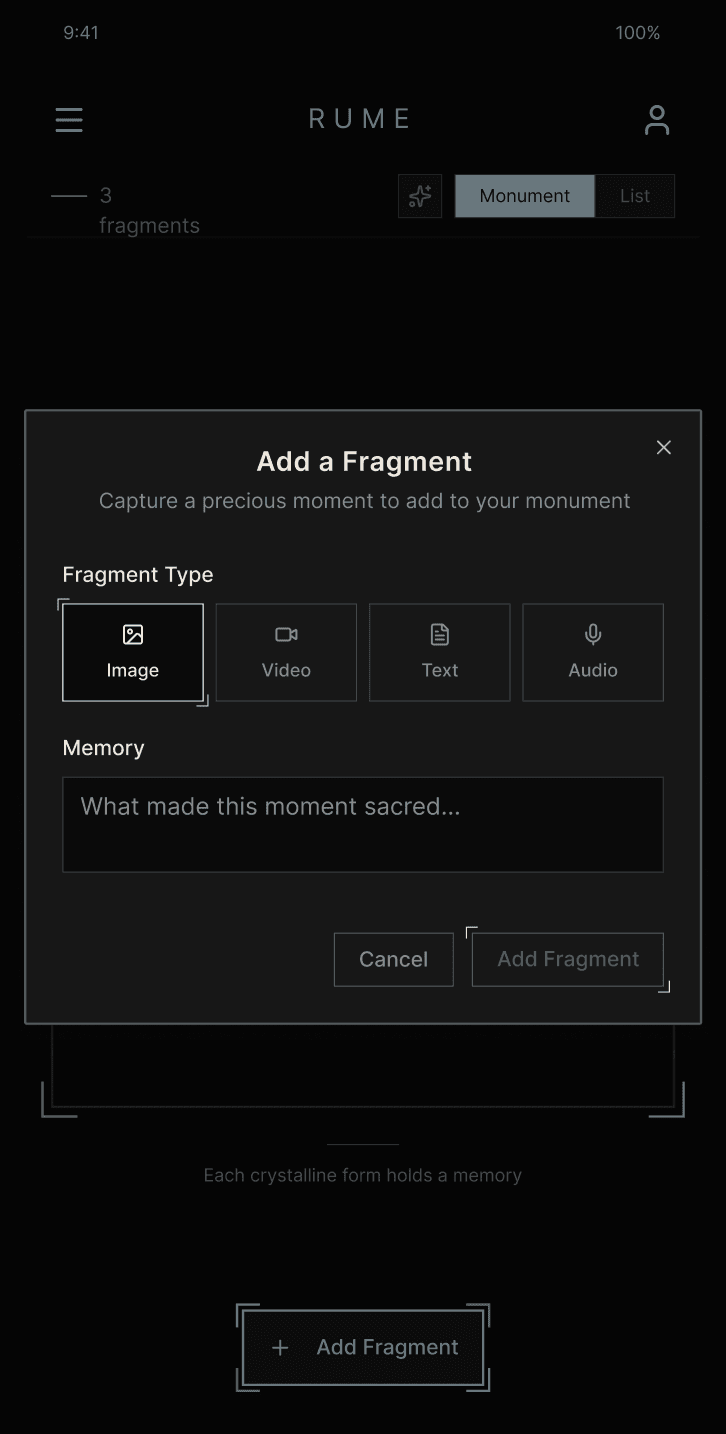
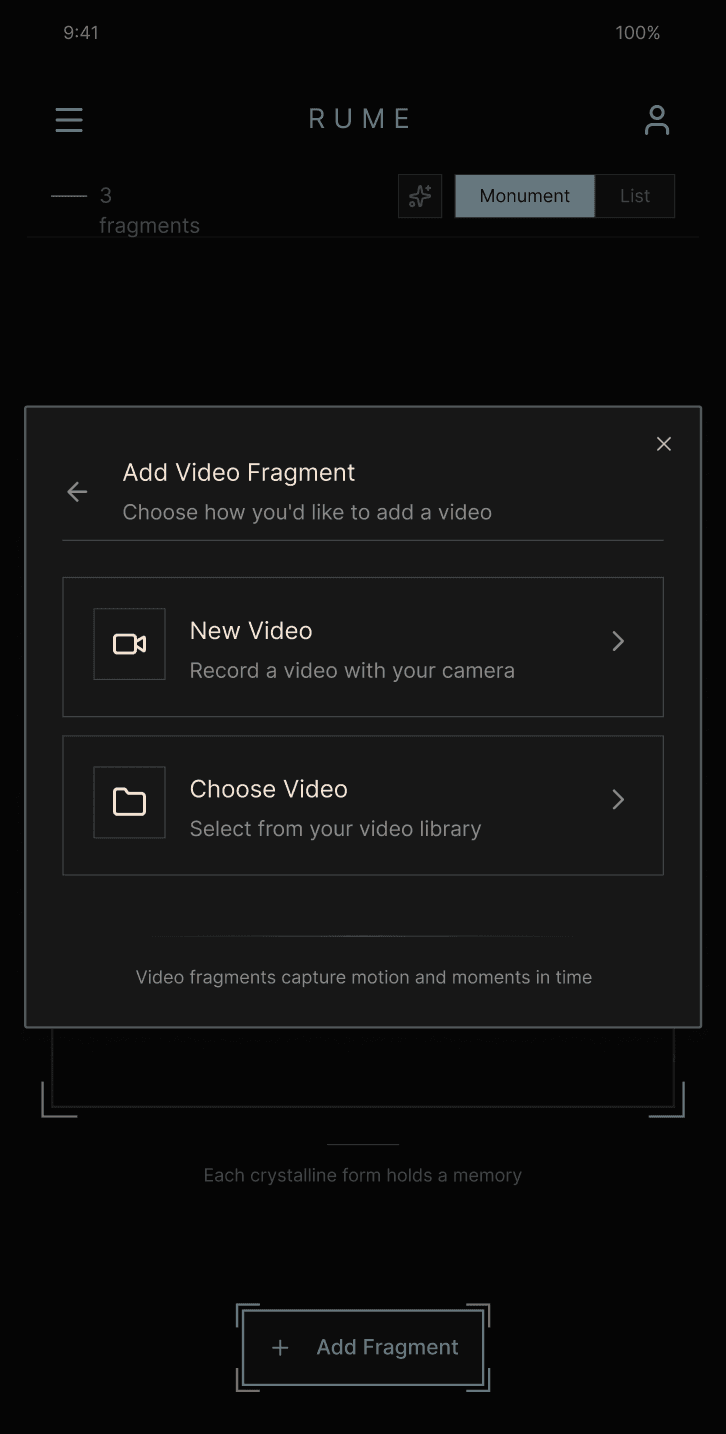
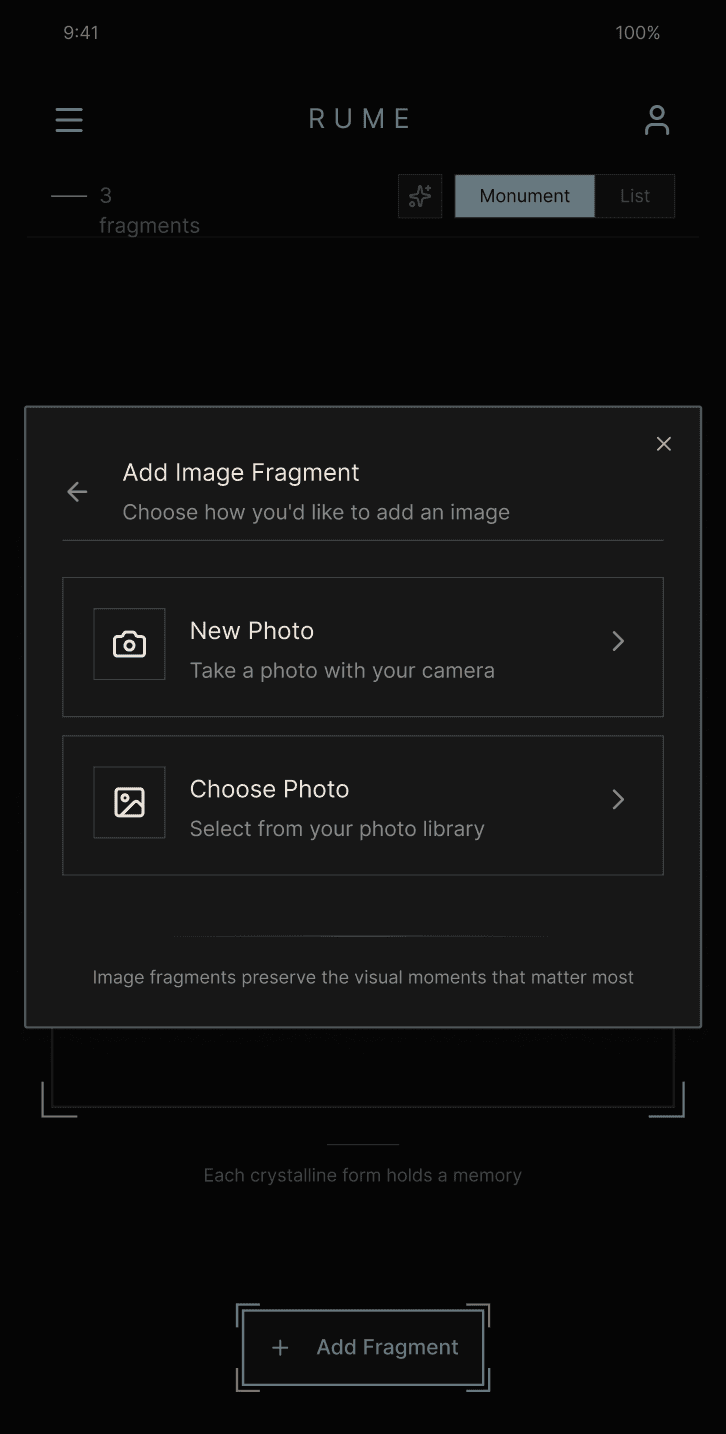
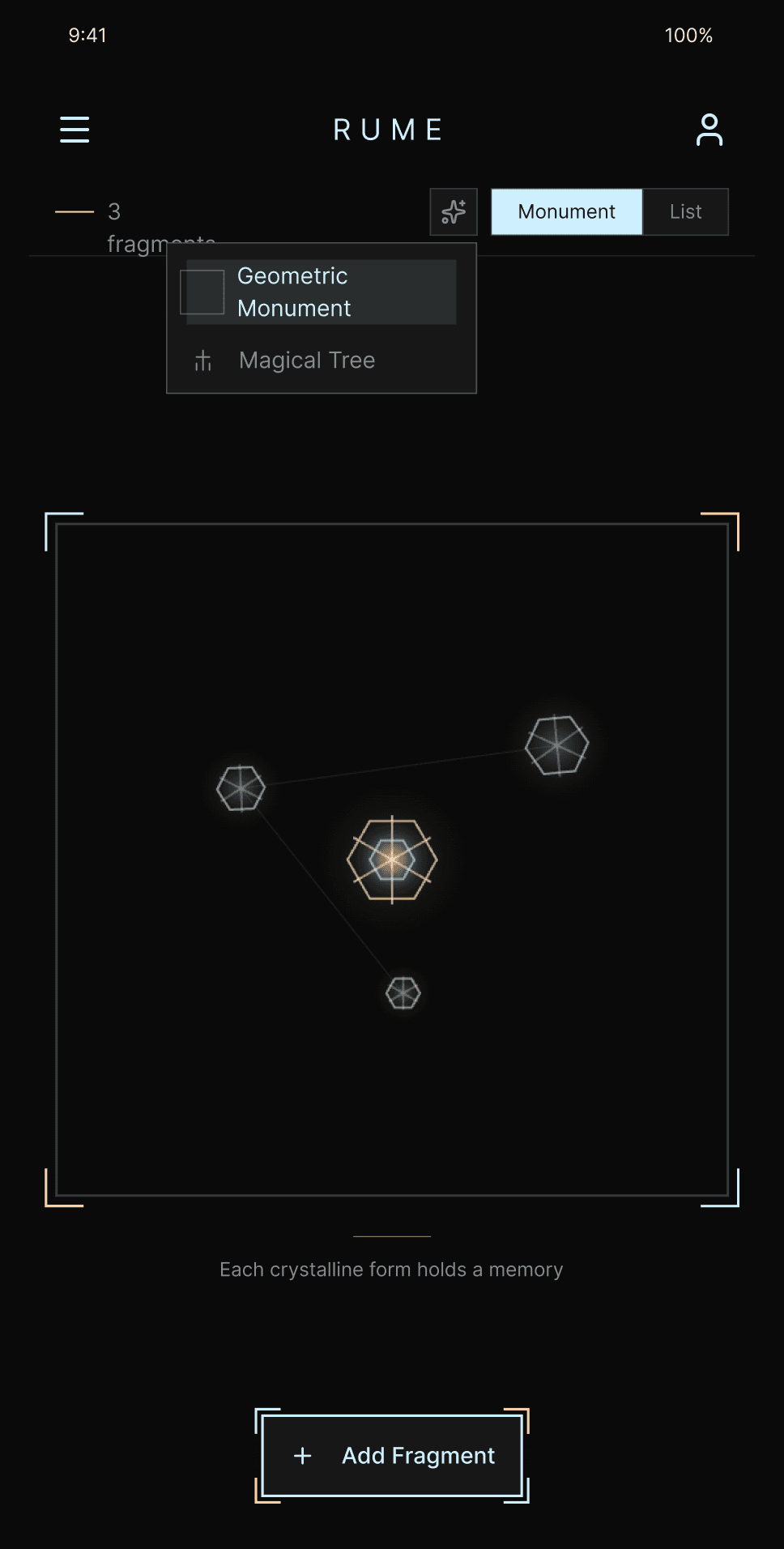
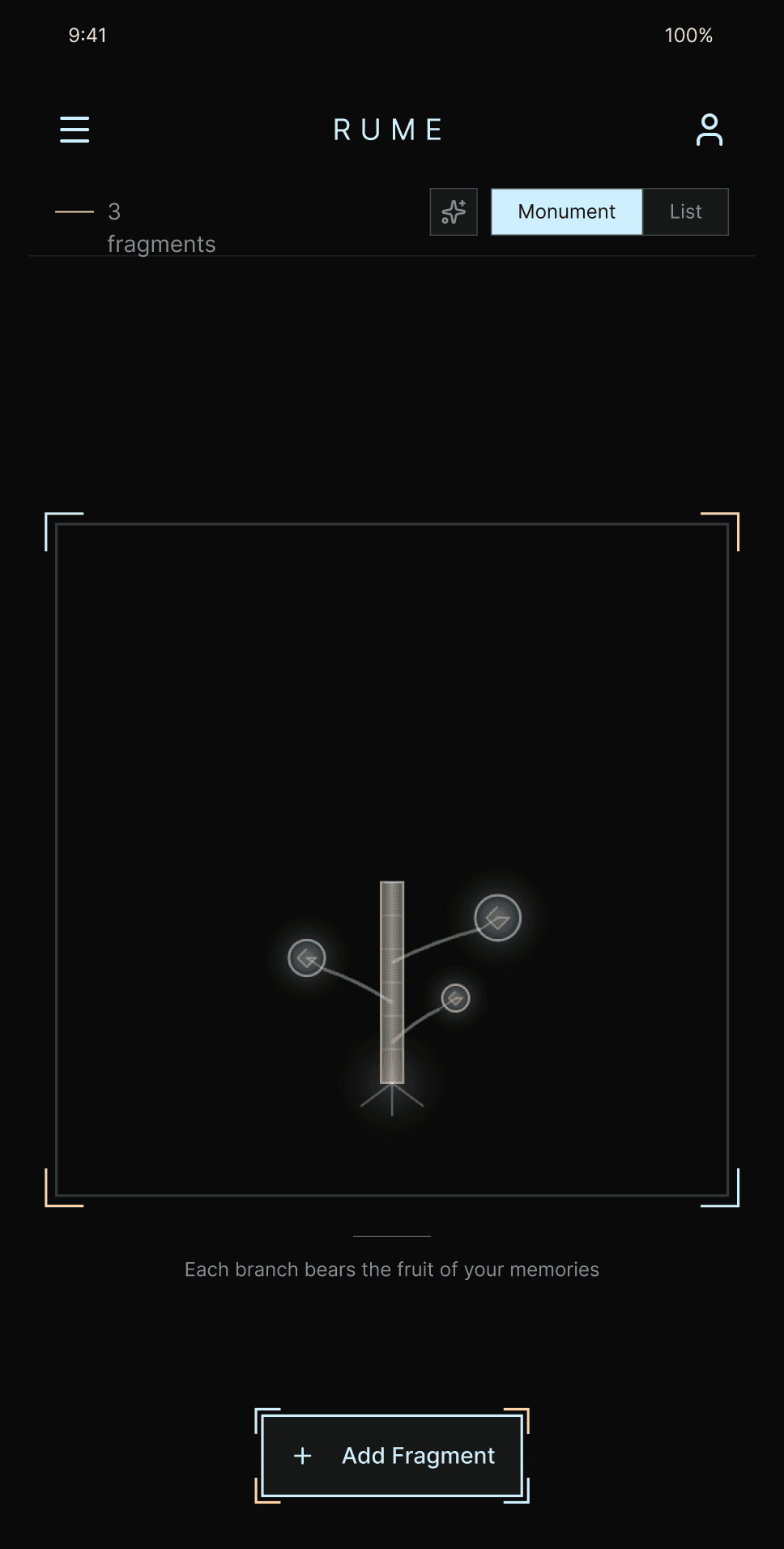
User Job: Viewing Objects
When I want to reflect with Rume, I want a delightful and understandable way to reflect on objects from my past memories.
The Nature of Rume
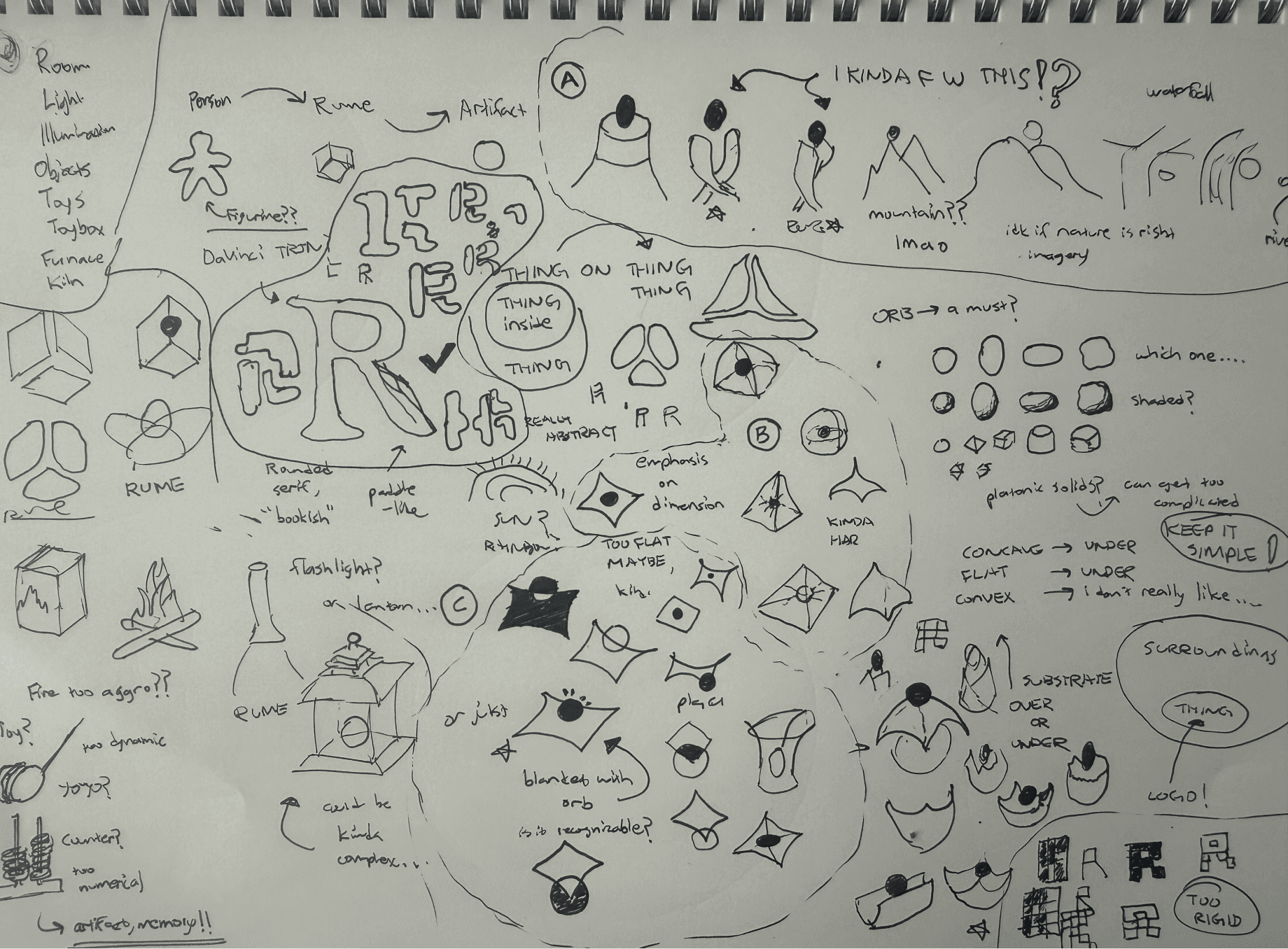
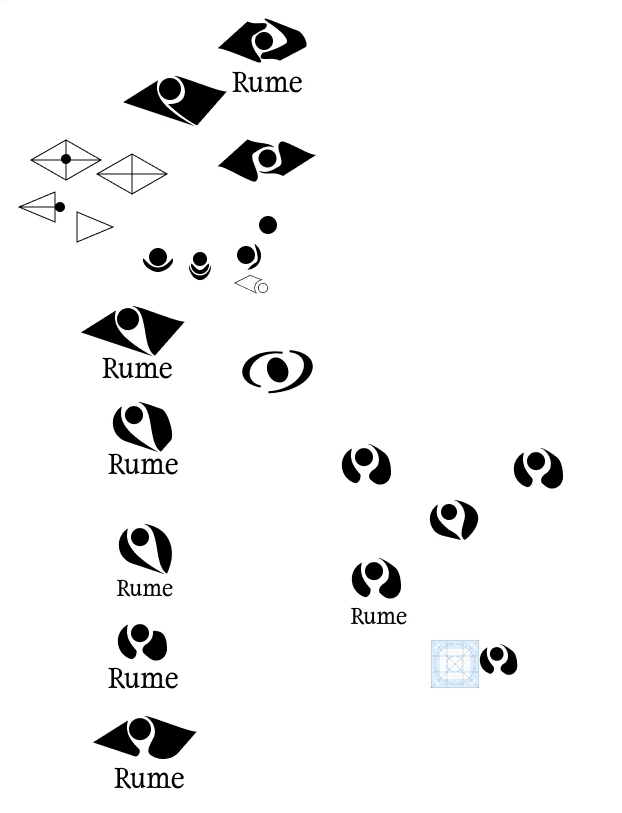
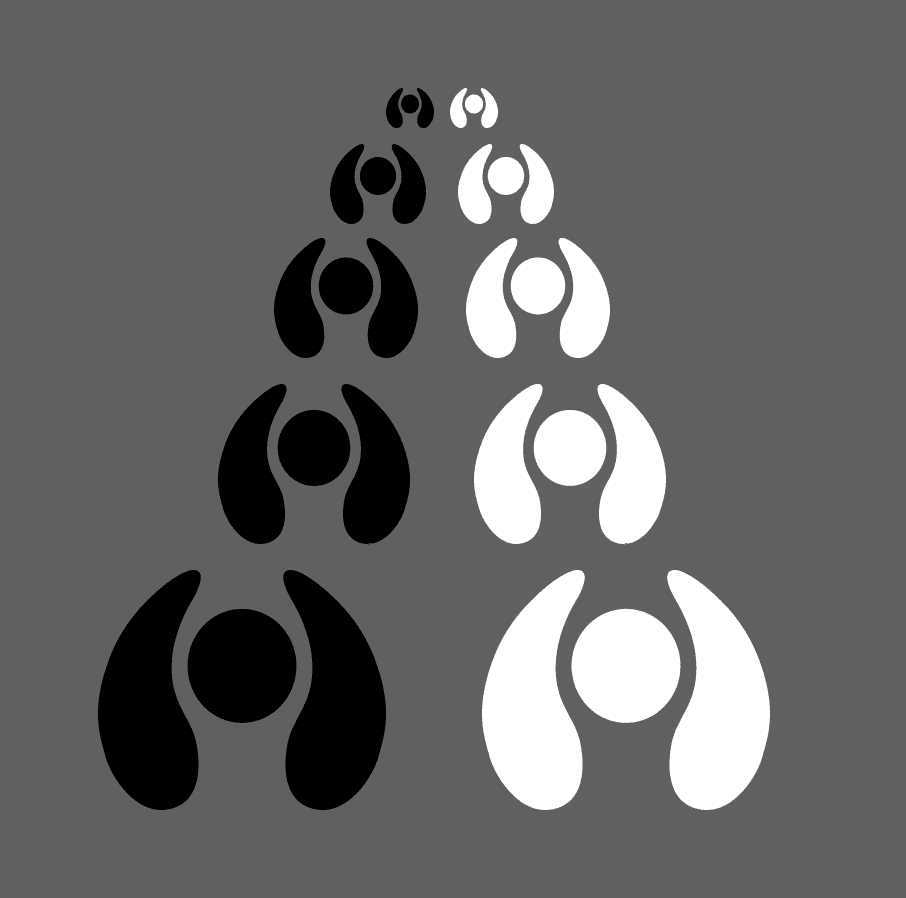
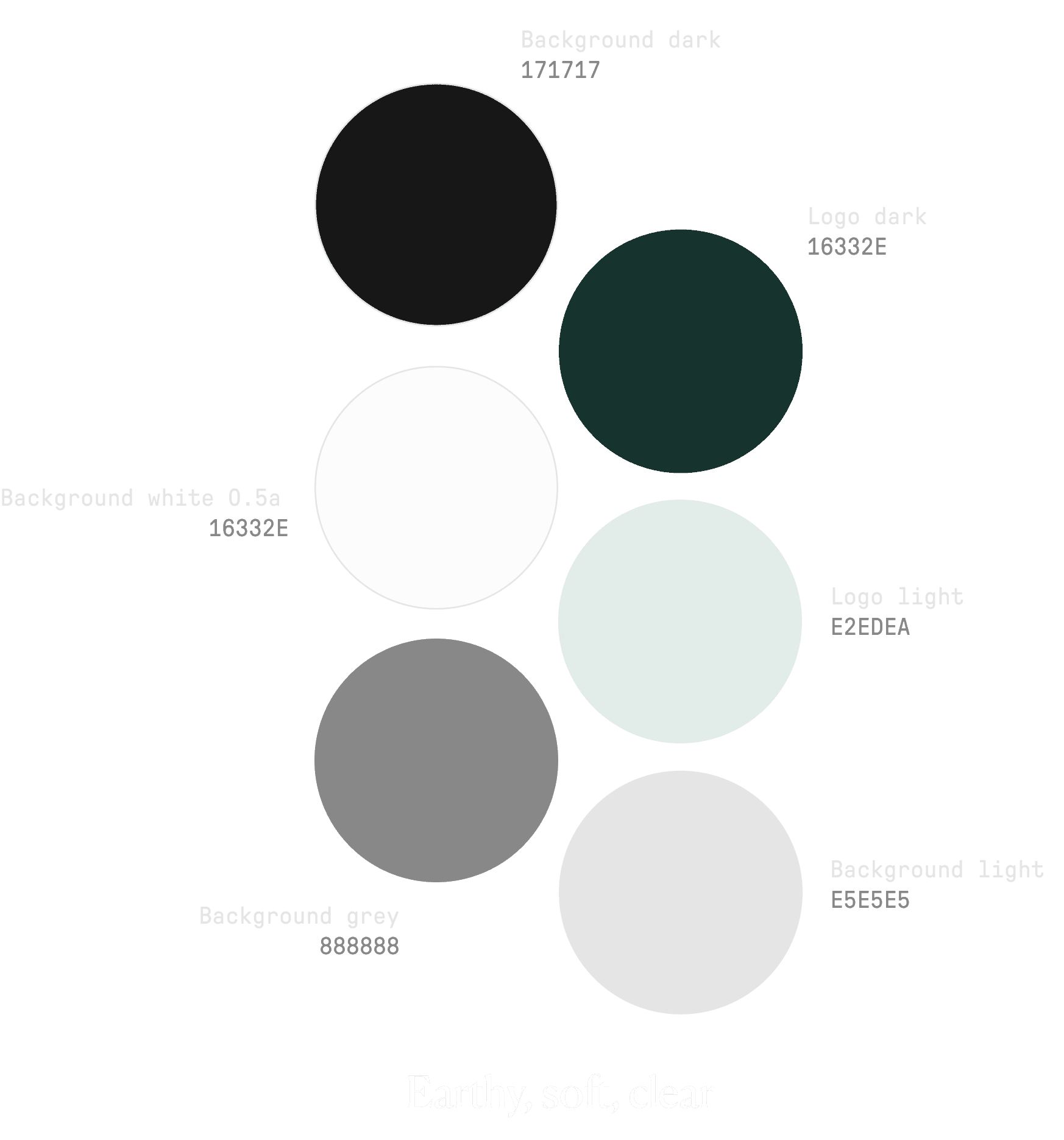
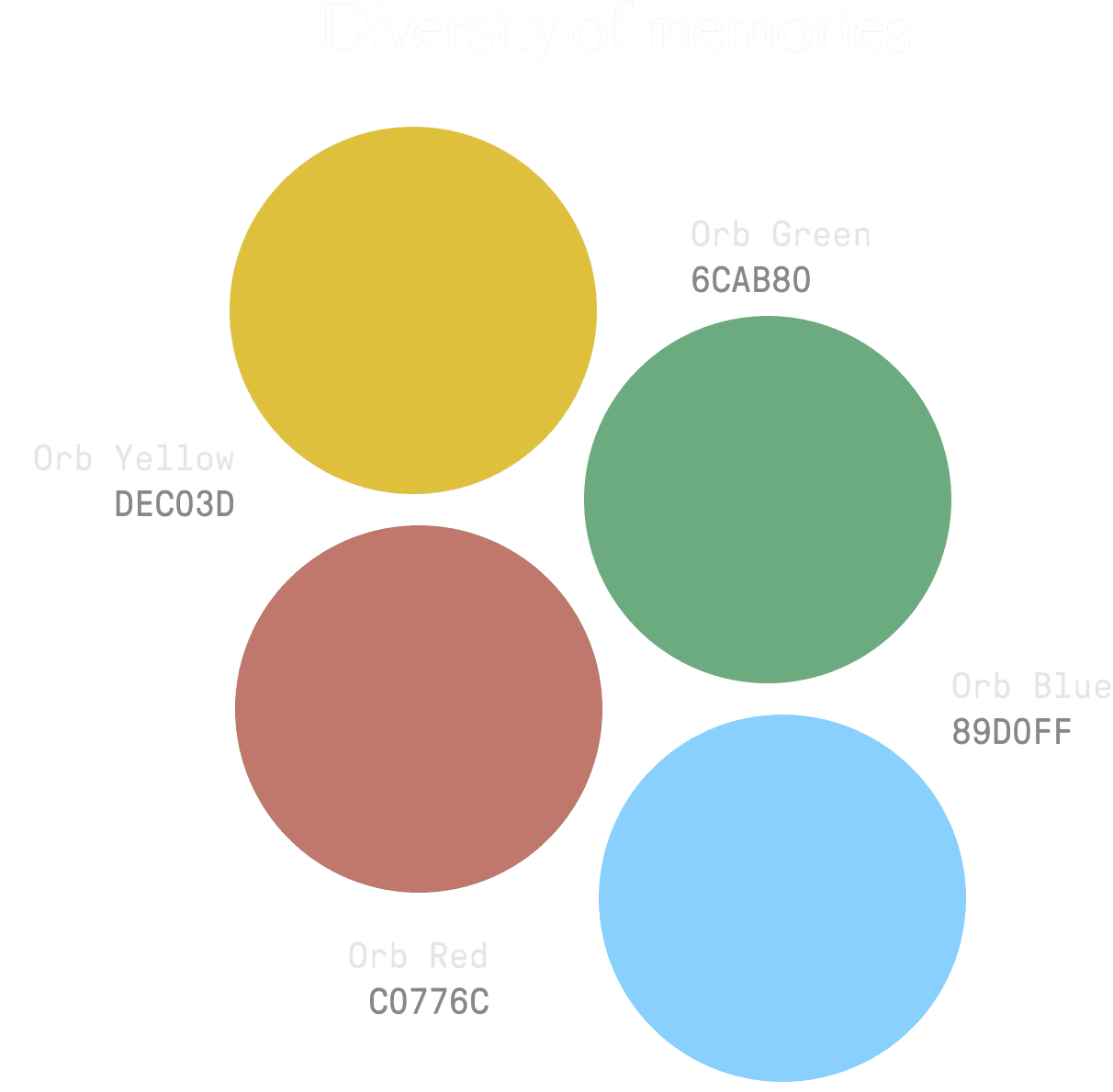
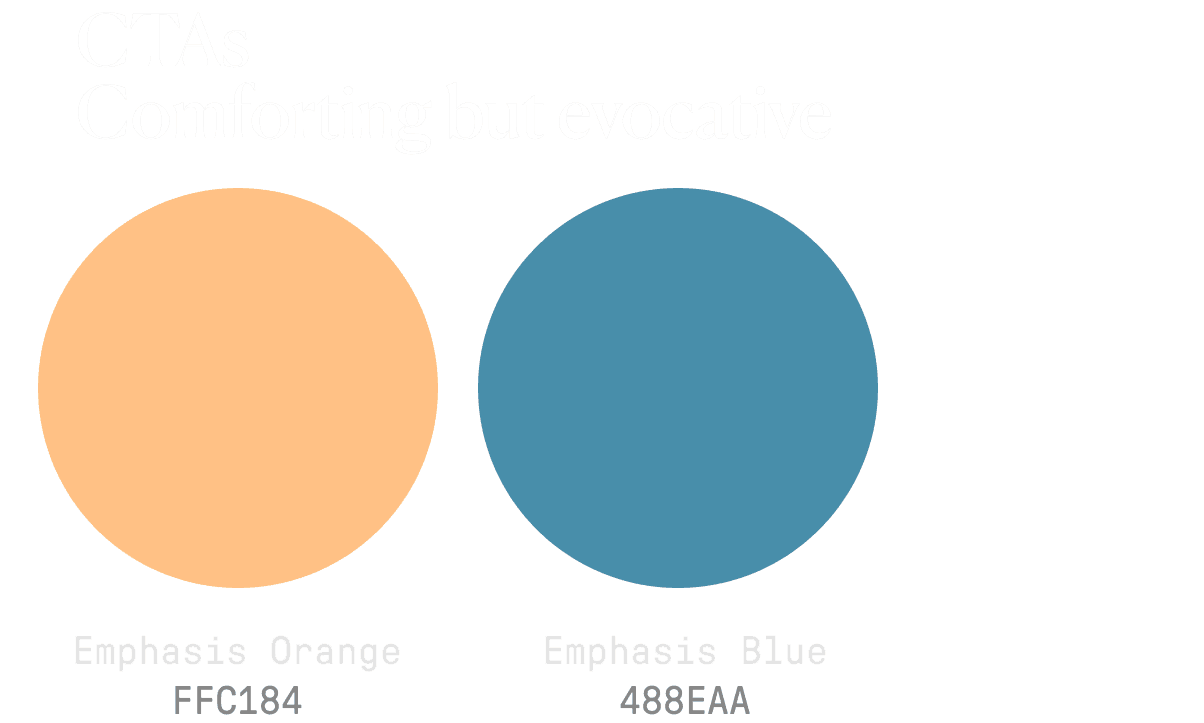
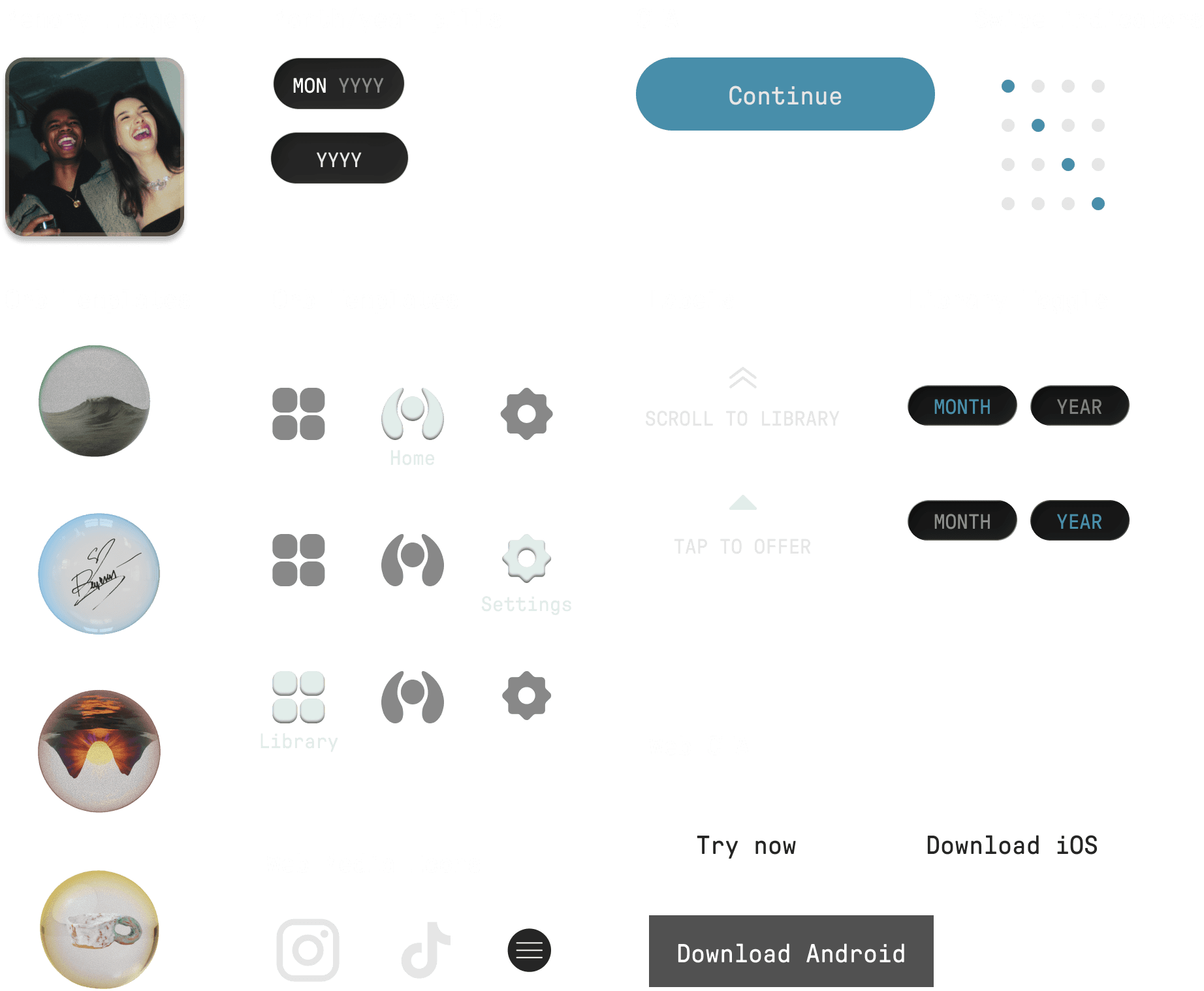
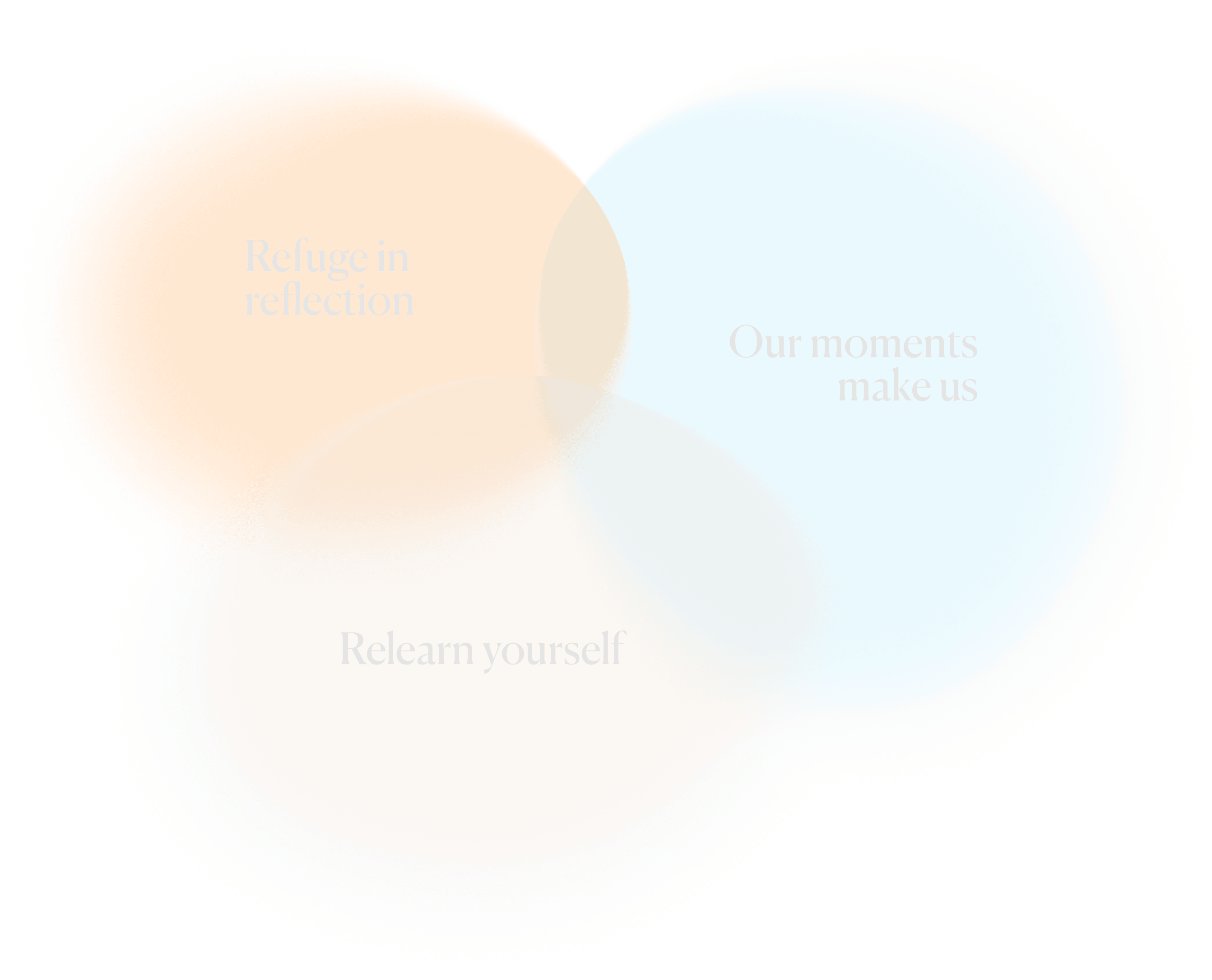
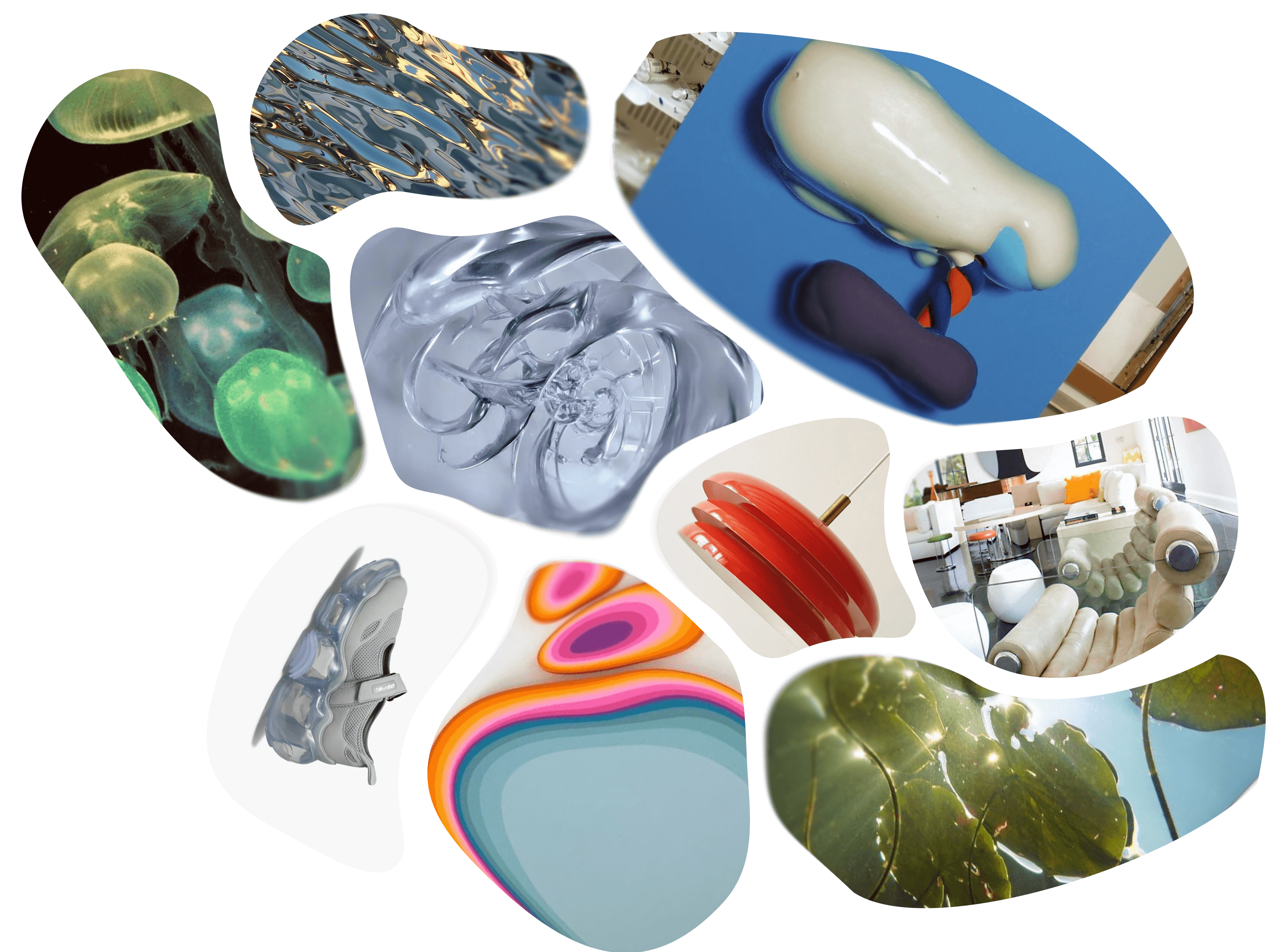
We thought deeply about Rume's identity from the outset: shapes, colors, objects that define the core of our concept. We were drawn to motifs surrounding refuge, learning, and ritual. We looked to round, soft edges with room to contain things, and luminescent colors that are both comforting and evocative.
The Mood of Rume
We looked to round, soft edges with room to contain things, and luminescent colors that are both comforting and evocative.
The Name of Rume
Rume's is multifaceted. Phonetically it evokes a refuge of reflection, a place of lumination and meditation, a room of sorts for things to happen. The synthesis of these ideas is what makes Rume.
The Shapes of Rume
“Rume" is multifaceted. Phonetically it evokes a refuge of reflection, a place of lumination and meditation, a room of sorts for things to happen. The synthesis of these ideas is what makes Rume.